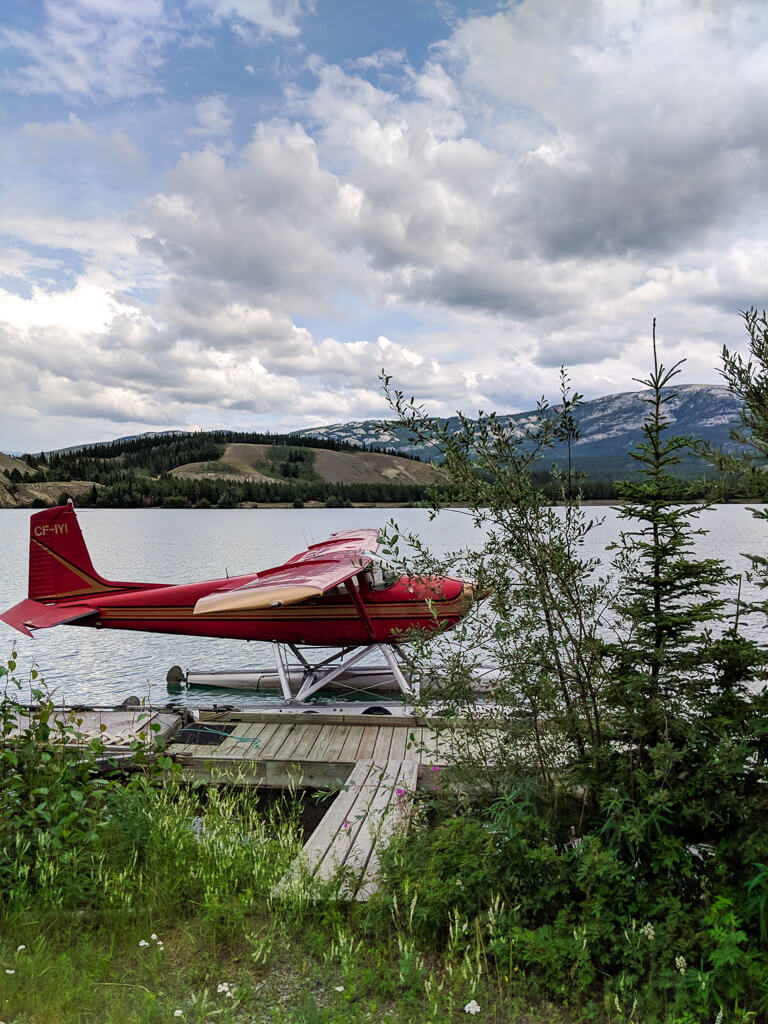
Gold Rush: Travelling Solo in Dawson City and Whitehorse in the Yukon, Canada
I stood scouring the banks of Bonanza Creek, hopeful to set eyes on just a little nugget of gold left over from the 1896 Klondike Gold Rush. I was at the exact spot where gold was first discovered, but over 130 years of insatiable mining quashed any prospects I had.
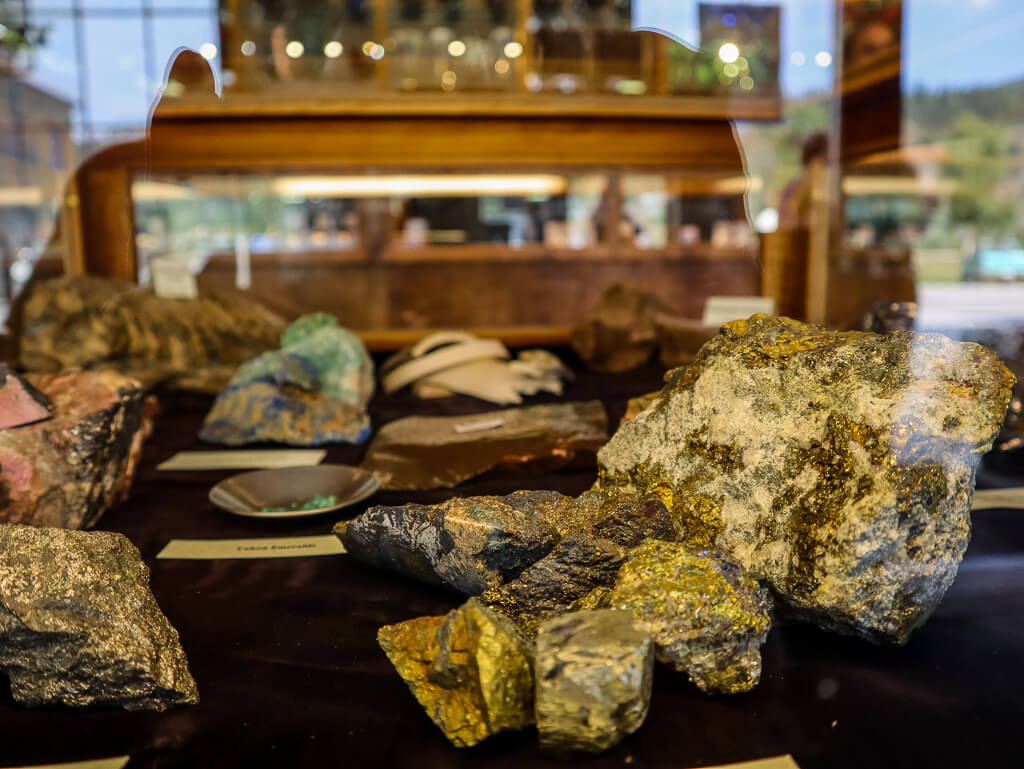
I was on a gold panning tour with Claim 33, just outside Dawson City in the Yukon, Canada. A ‘must-see’ activity here to really understand the most important moment in history for the area. Following the gold discovery Dawson City very quickly became a bustling gold mining town filled with hopeful prospectors. It only lasted around 3 years but set the area on its path.
Flanked by mountains, and the last city north before the Arctic Circle 240km away, Dawson City is now a peaceful sanctuary, popular with artists thanks to the stunning scenery all around.
I’d flown from London to Vancouver, then north to Whitehorse, and even further north to Dawson City to make it for the Dawson City Music Festival – ’Canada’s tiny, perfect festival’. It was a wonderful time to be so far north, with local music and bands playing to the small crowd of 1000 in the Midnight Sun – but I was also in the Yukon for an adventure.
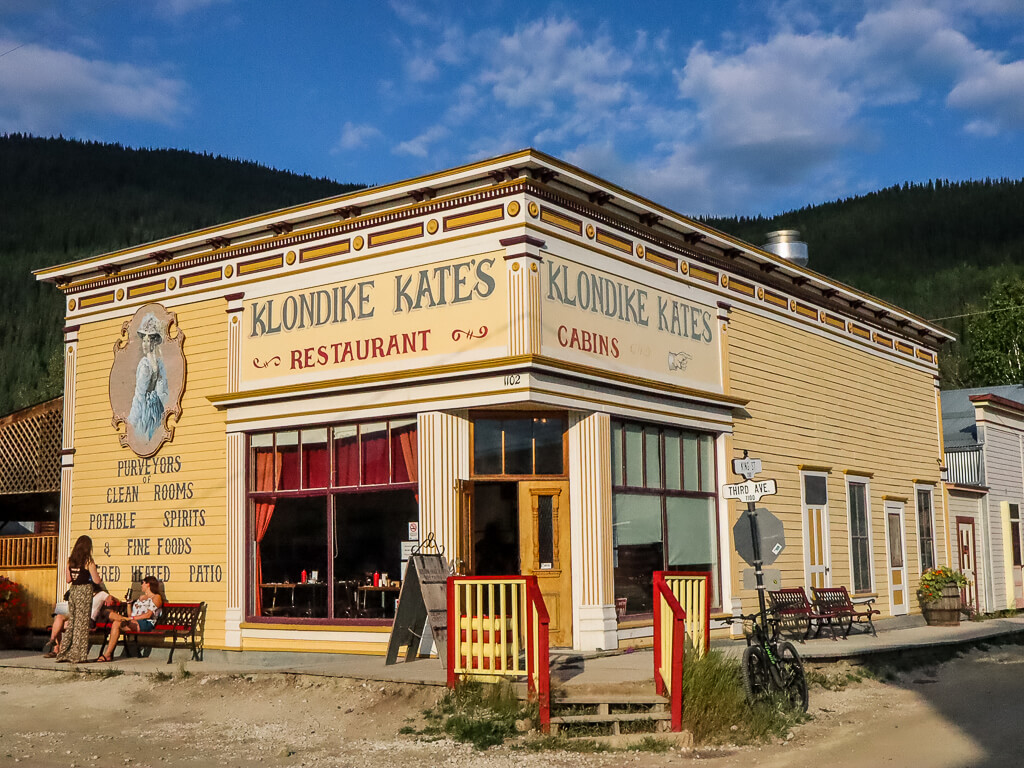
Stopping in Whitehorse on the way up – the adventure capital of the Yukon – I was answering my Call of the Wild, as local Yukon-adopted hero author Jack London had done in 1903 before me.
Adventures in Whitehorse
Arriving into Whitehorse at 10am after 24 hours of travel, the welcome fresh air pulled me in off the plane. This was northern Canada, it didn’t get much fresher. You don’t realise how dense the air you’re so used to breathing is until you fill your lungs, nostrils and soul up with clean, mountain air. The novelty of being able to walk the 45-minute path into Whitehorse from the plane was enticing, but having travelled over 4000 miles, I got a taxi.
Instead of waiting for my room to be ready at the Edgewater Hotel, I walked the Millennium Trail along the Yukon River. Looking down to the river I was eager to see a run of salmon, so indigenous this area, but no luck. Just flowing water, circling birds and the gravel banks. It felt glorious after the restrictions of the plane.
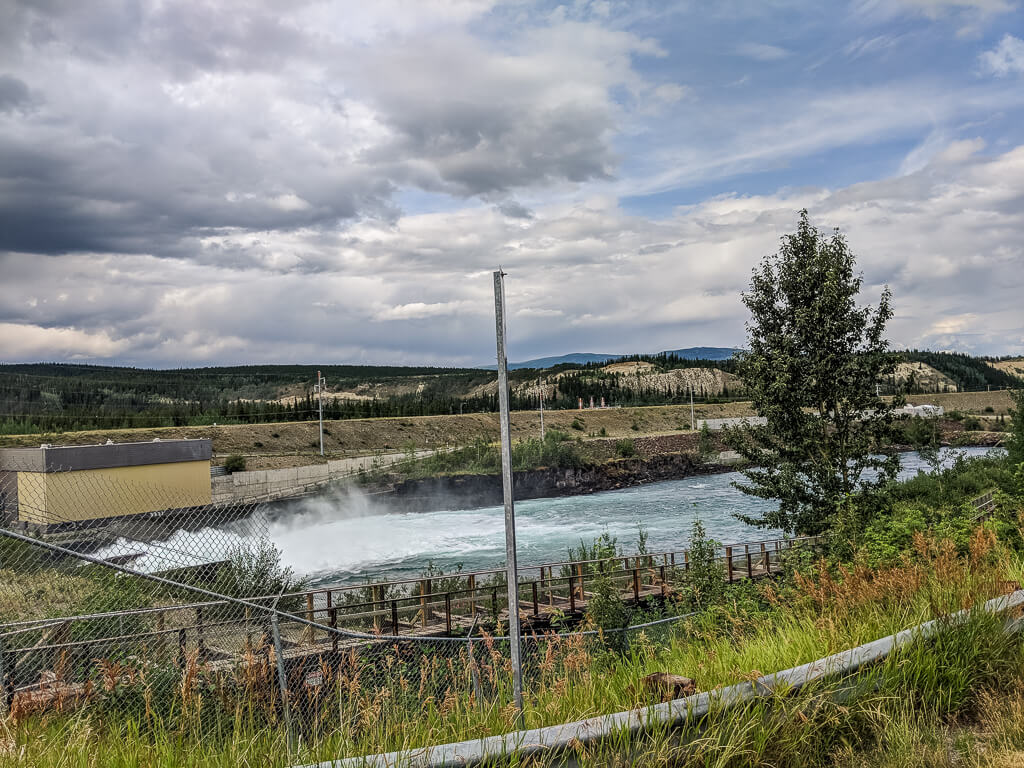
A few hours later and I was at the most photographed spot in Whitehorse, Miles Canyon. Travelling solo I knew the best way for me to see as much as possible in a short space of time was a tour.
My tour guide, Toni, used to work as a director at the First Nations Centre, helping create policy. She was a fantastic source of knowledge to introduce me to the First Nations culture here, and the issues and benefits of having so many cultures and beliefs working together in the present day. There are 14 First Nations groups in and around Whitehorse, who are consulted with every change in the city.
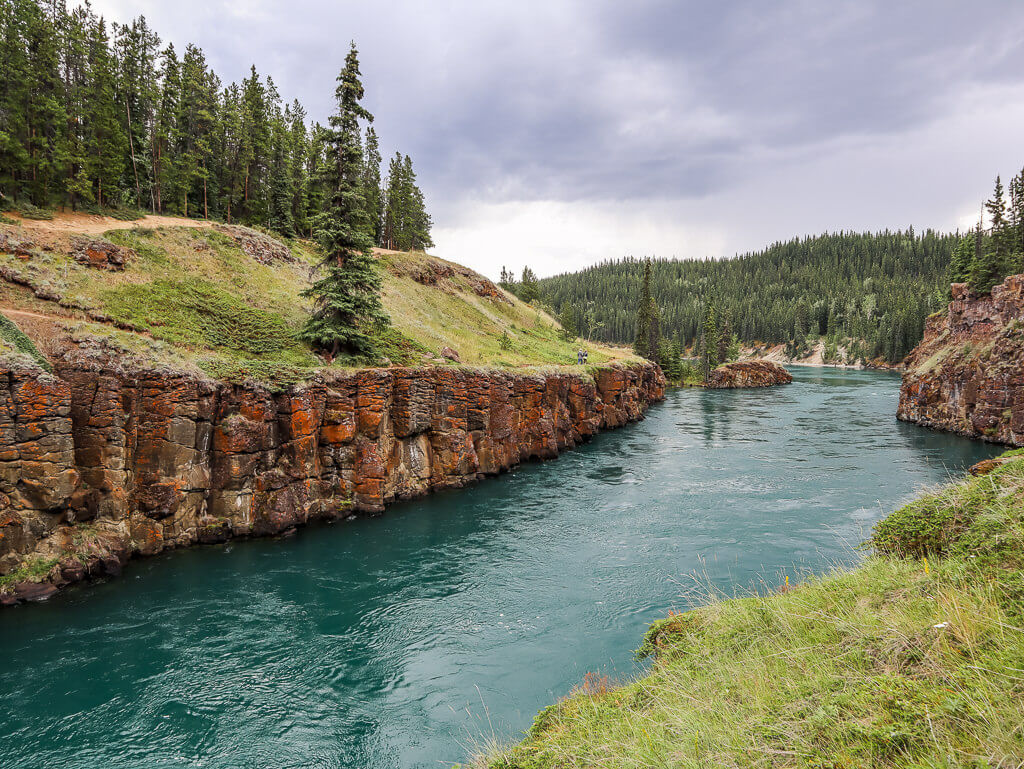
The treacherous stretch of water we were now admiring had foiled many a prospectors’ dream of reaching Dawson City back in the Gold Rush. According to TravelYukon.com “Almost nine million years ago, a rush of basaltic lava spread over a pre-glacial landscape a few kilometres from what is now downtown Whitehorse, A ribbon of fast-moving turquoise water runs between the cliffs that remain.”
And that wonderfully hued ribbon is Miles Canyon.
I hiked a few km of it, envious of anyone who had the time to explore the full 15km loop. In winter this is the place to be for enigmatic photos of the Northern Lights.
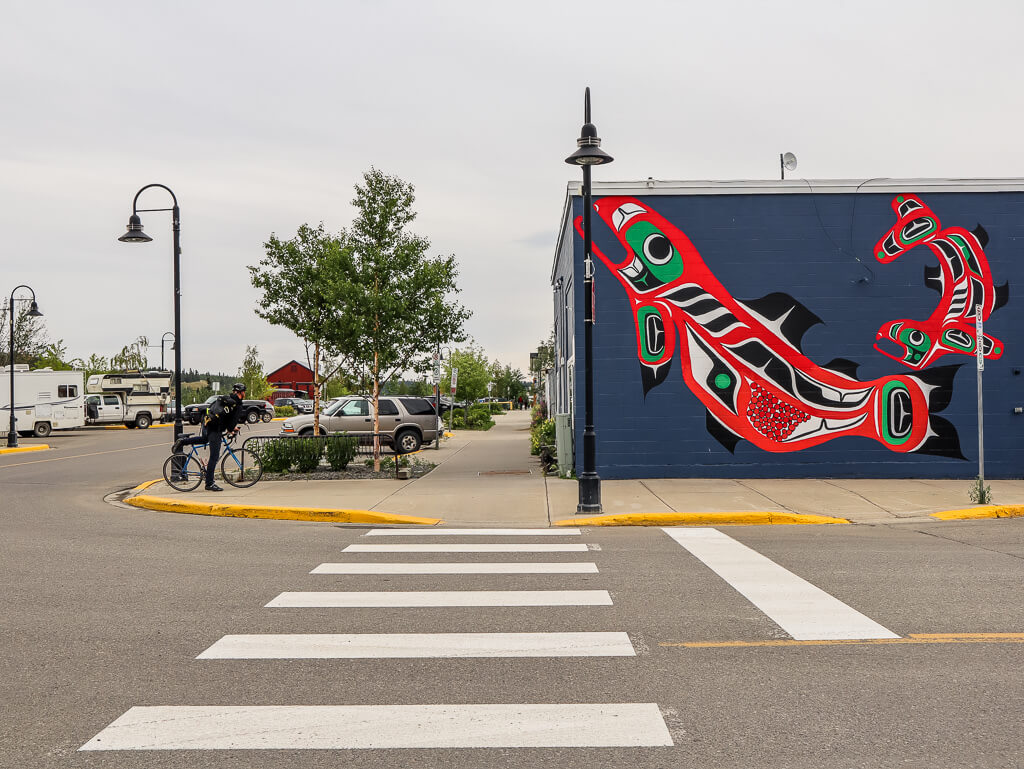
Back in Whitehorse centre the colourful buildings and lively main street are surrounded by mountains – this is the point where the three big Yukon mountains meet. Grey Mountain to the east (with its impressive cliff walls and sheer drop to hike to), Mount Sumanik to the northwest and Golden Horn Mountain to the south. Whitehorse is the biggest city in the Yukon, home to over 27,000 people (¾ of the population of the Yukon). And with 416km², Whitehorse is a city with SPACE.
Naturally, these beautiful surroundings draw an adventurous crowd as I was to discover the next day with a group ‘Bucket List Adventure’ trip down the Yukon. One of the best things to do in Whitehorse.
Canoeing down the Yukon River
Easily up early thanks to jet lag I headed to the canoe office and our group of six strangers set up for a day on the river. Intriguing cool boxes were loaded, a paddle each, and a lifejacket too. We were all set for 28km over six hours, with a BBQ stop for lunch.
A guesstimate of 5km in and my upper arms were tired. I was so desperate to ask if ‘we were nearly there yet’, but as a fully fledged adult completing a dream trip to canoe down the Yukon River, I knew it wouldn’t be cool.
I looked up for energy from the sun and saw a bird circling, landing on a branch nearby. A bald eagle!
(Look at the branch on the second pic!)
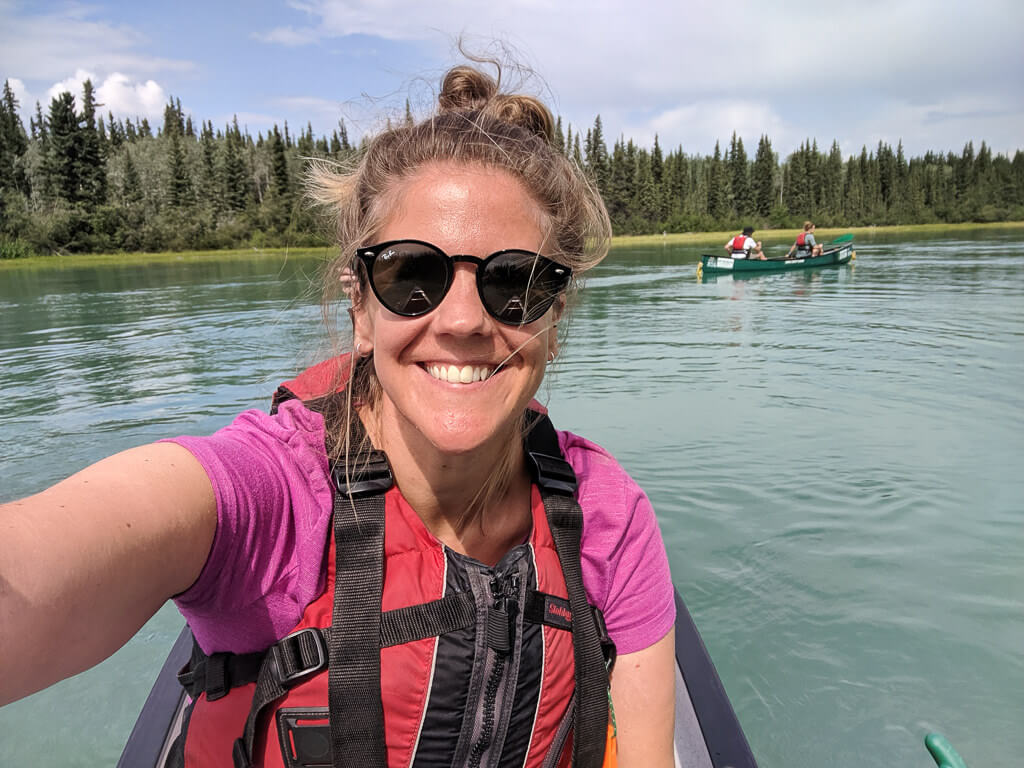
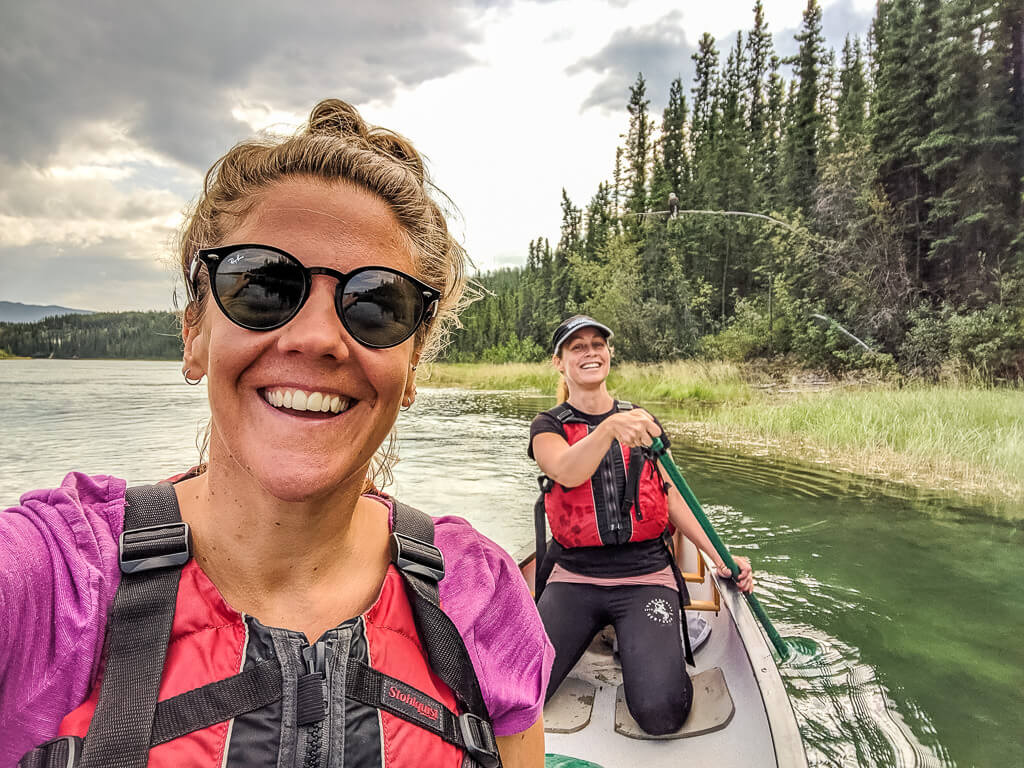
With the rhythmic paddling enforced by my co-canoeist I fell into a beautiful trance captivated by azure flowing water highlighted by the sun, unidentified bird sounds and the slowly changing landscape. It was possible to paddle all the way to my next destination Dawson City from here, but as enthused as I was by this fact when we started, I was equally glad we weren’t anywhere near the 460 miles required. With no gold at the end there just wasn’t the incentive the prospectors of 1896 had, plus we had planes and cars now.
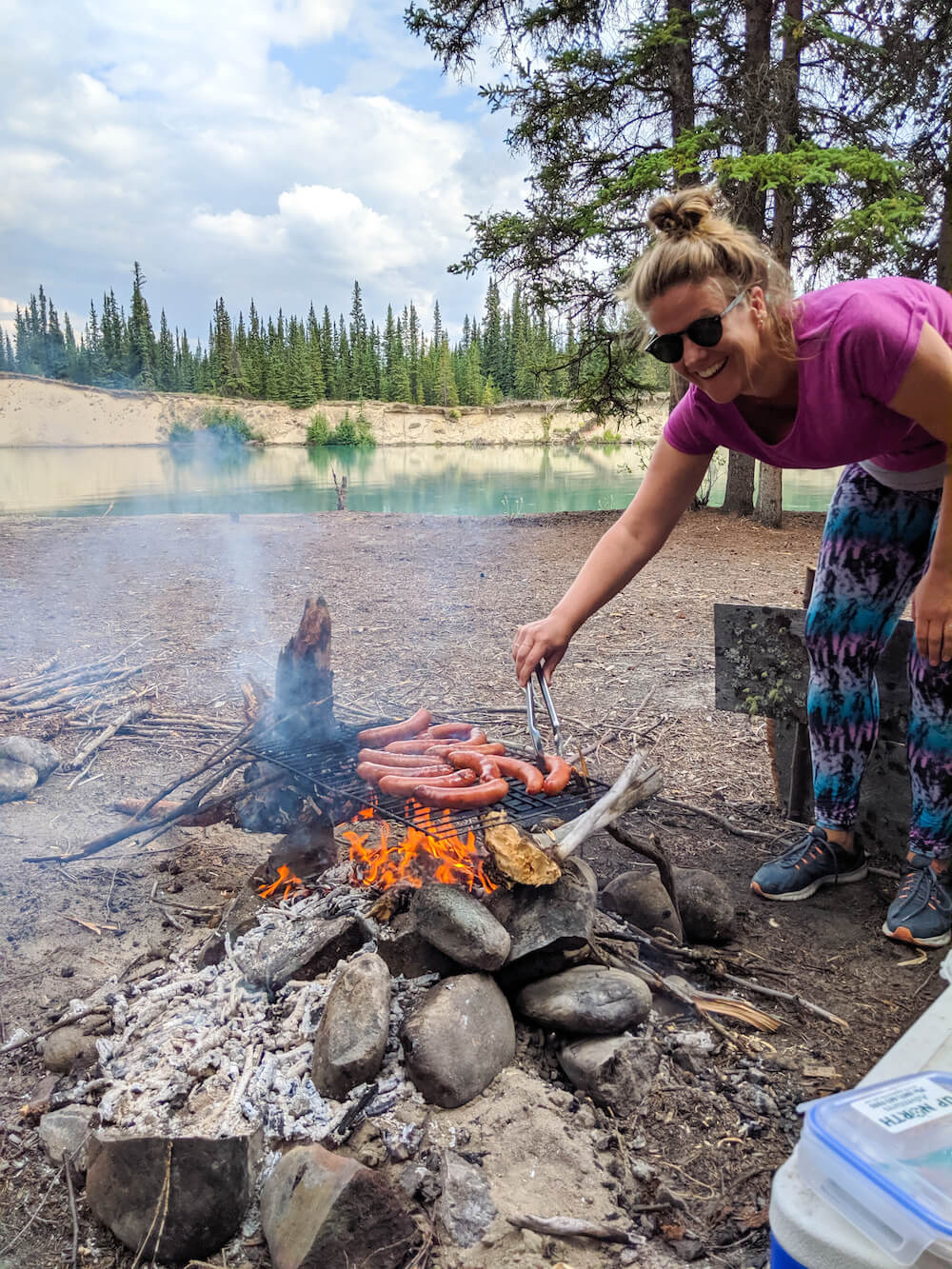
We pulled over to an island and foraged for wood to make the fire for our BBQ. With the flames licking the Yukon air we indulged in hot dogs and warm cookies looking out over the river. Lunch is so much more satisfying when you’ve earned it.
Back in Whitehorse
In Whitehorse you’re only ever 20 minutes away from wilderness. Winters here are dog sledding, snowmobiling, snowshoeing, ice fishing and skiing. Glacier flightseeing tours to the Kluane icefield and the massive Kaskawulsh Glacier are there for anyone who can afford it. Summer is mountain biking, hiking and fishing – and canoeing.