
15 Things You NEED to Know Before Wild Camping in the Outer Hebrides
Wild camping in Scotland is totally accepted, but there are rules. If you’re planning on camping in the Outer Hebrides, make sure to follow them to keep it free for all.
This is your chance to go to sleep somewhere beautiful and wake up with the sunset looking stunning. I’d been wanting to go wild camping in Scotland for a few years, but what with the ‘current situation’ and the fact summer was ending and I didn’t feel like I’d had an ADVENTURE, I rounded up my friend, and off we went.
Helen and I went wild camping in Scotland with a tent and a car, not a motorhome (next time!). More on that below.
We went wild camping in the Outer Hebrides, to be precise, and in the middle of September.
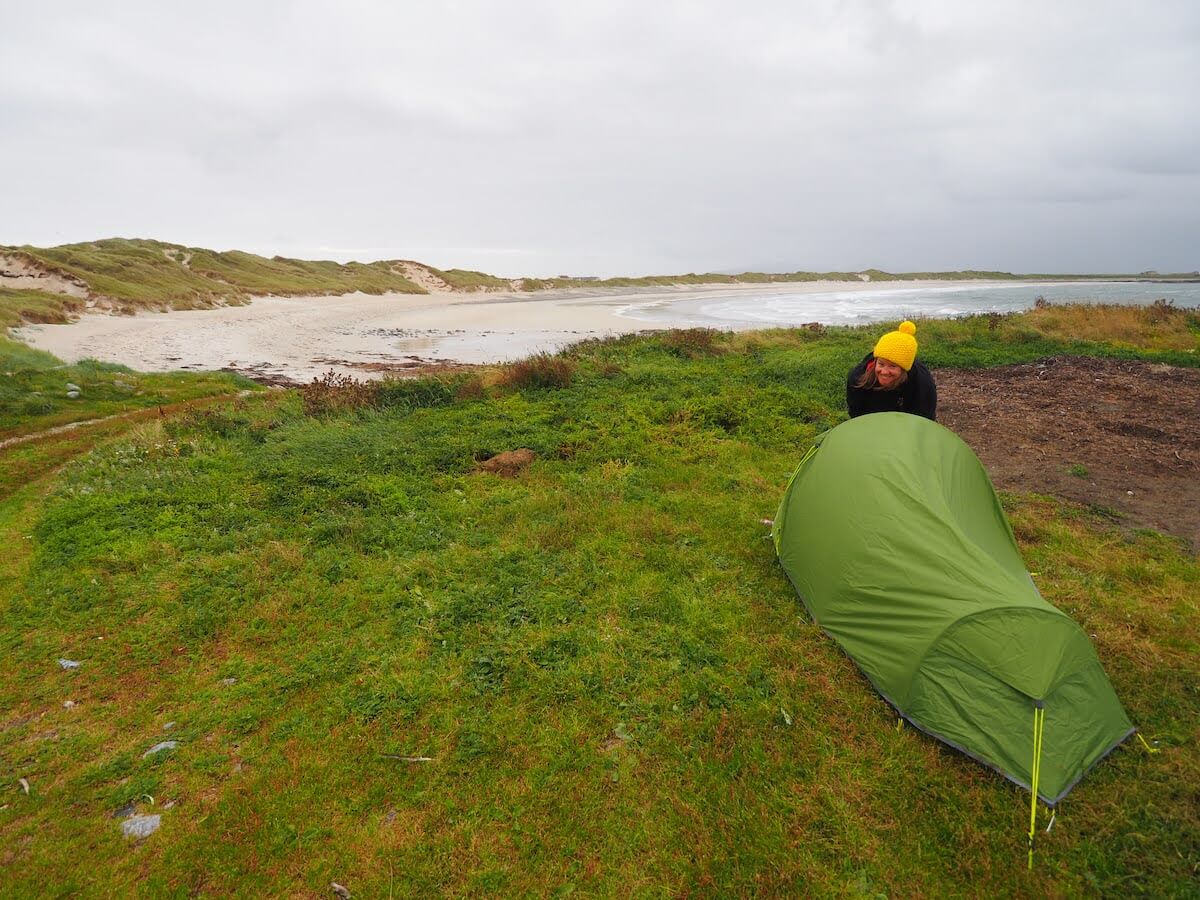
– HARRIS: That pile of mud next to me really started to smell in the night…
I’d originally planned for us to wild camp every night, but the weather, the wind and us being underprepared meant we just couldn’t. Honestly, the winds were wild. The locals were even talking about ‘the gales’ in the shops.
You need to be prepared for wild camping in the Outer Hebrides. Let me take you through a few lessons learned the hard way, so you don’t make the same mistakes as us.
Despite having a few nights of terrible sleep on our Scottish wild camping trip, we both had a fab time and I’d definitely do it again. I’d recommend wild camping in Scotland to anyone who wants a bit of adventure, and doesn’t mind a bit of wind, rain and effort.
Tips for wild camping in the Outer Hebrides
I’d strongly recommend you take note of all these tips for wild camping in Scotland so you can have the best trip possible!
This is the Scotland wild camping guide I should’ve read before I went.
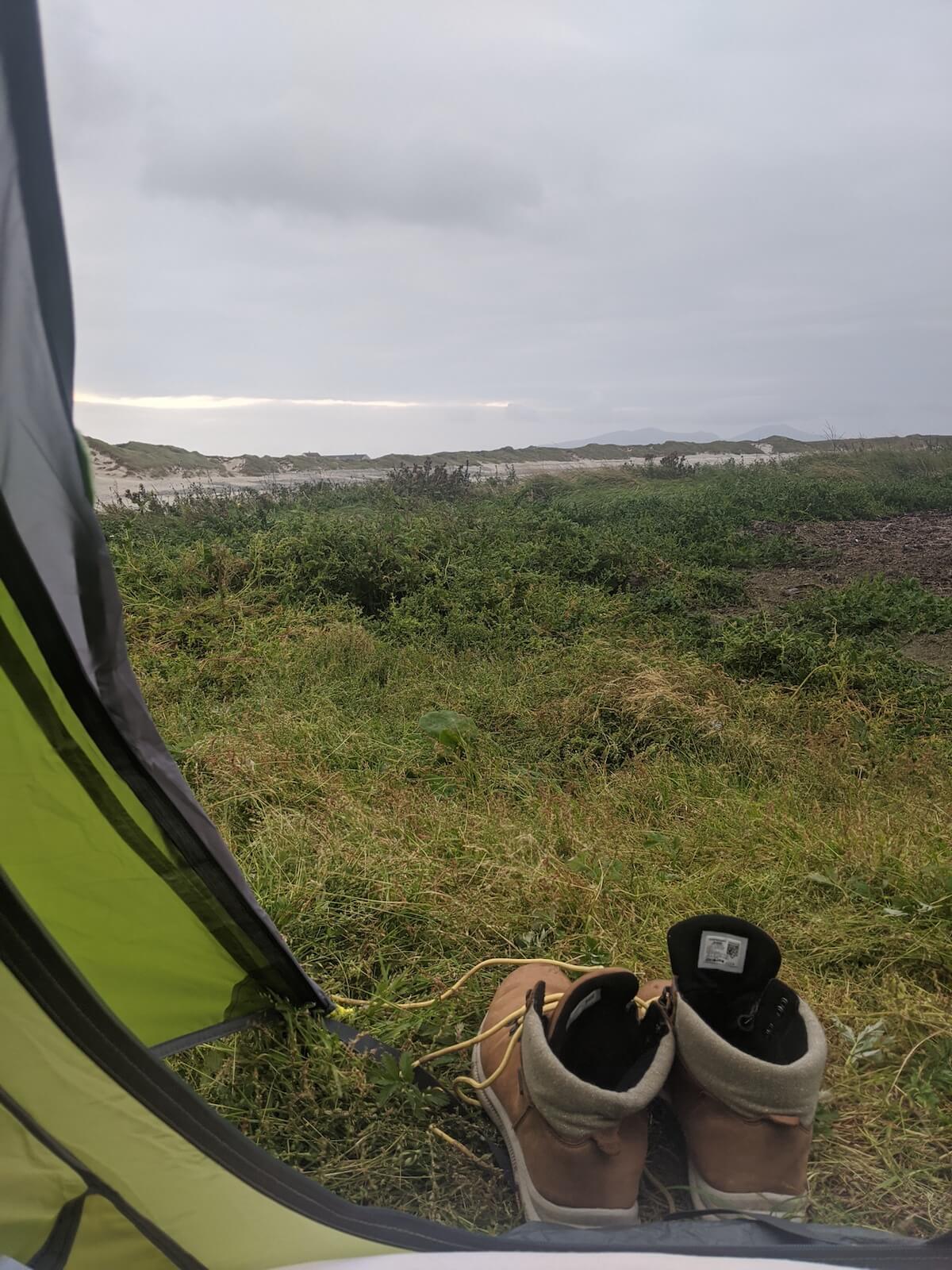
1. Plan your route, roughly
Ok, number one. When wild camping in the Outer Hebrides plan your route, a bit.
Our trip was all quite last minute and neither of us knew much about the Western Isles of Scotland (as they’re also called) at all before we went. I’d come up with a rough trip itinerary, but we hadn’t researched any Outer Hebrides wild camping locations or anything.
I quite liked this. It meant we could either go where we fancied, or what we actually did, which was ask for a suitable spot in the local restaurant when we were having dinner.
Check out my Outer Herbrides road trip itinerary to find some suitable spots along the way.
2. Choose your camping spot wisely
So, first night of wild camping in Scotland and we thought we were so clever camping on a hill. Beautiful views we thought. Nice and private.
Turns out it’s a terrible idea, especially in the Outer Hebrides. The wind was BLOWING. Ferociously.
When you camp, look for some sort of shelter. At least from one direction. But, don’t camp between two high points as the wind will funnel through to you.
We set up our tent in among the famous Outer Hebrides machair wildflower grassland, with no thought to the fact that that fresh sea air would soon become a howling gale.
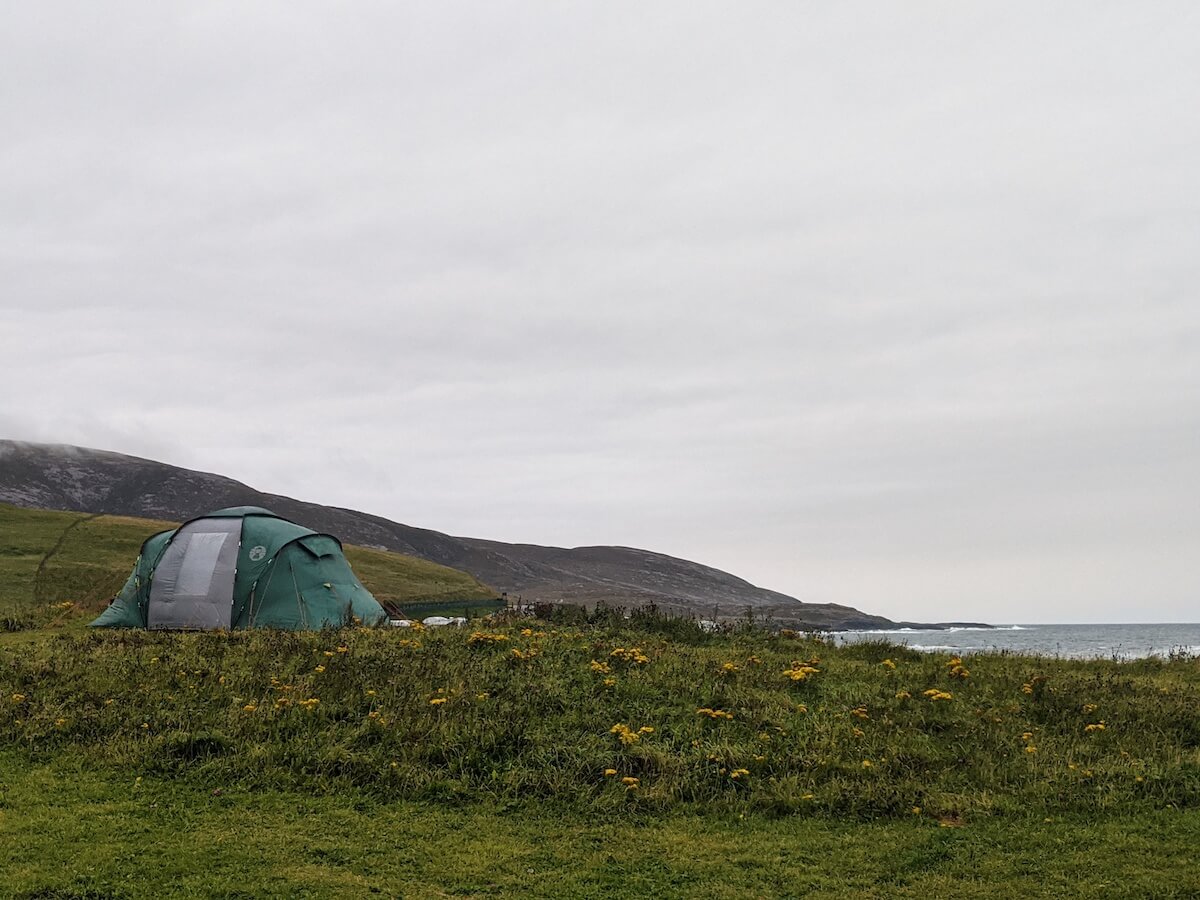
Don’t camp next to a stream, or any body of water, as little brooks can easily turn into torrents. You do NOT want to wake up to a river in your tent.
Another problem we had after finally battling to get the (huge) tent up in the wind, was then we couldn’t get the pegs in the ground. So much of Scotland is either boggy, or dry – so you’re going to have trouble with the tent pegs. I’d recommend these storm pegs, as the standard tent pegs I had didn’t stand a chance against the Scottish ground, or wind.
Don’t move rocks or dig ditches to make your camping spot better. That’s not how wild camping in Scotland works. And don’t camp near people’s homes, or within view from their house – they won’t like it.
Sounds like a lot of rules, but basically just think of others and be respectful, and overly prepared. They’re the standard tips for wild camping!
READ MORE: 9 Tips for Eco Friendly Camping
3. Look out for wildlife when you set up camp
When you’re wild camping in the Outer Hebrides you need to look out for wildlife.
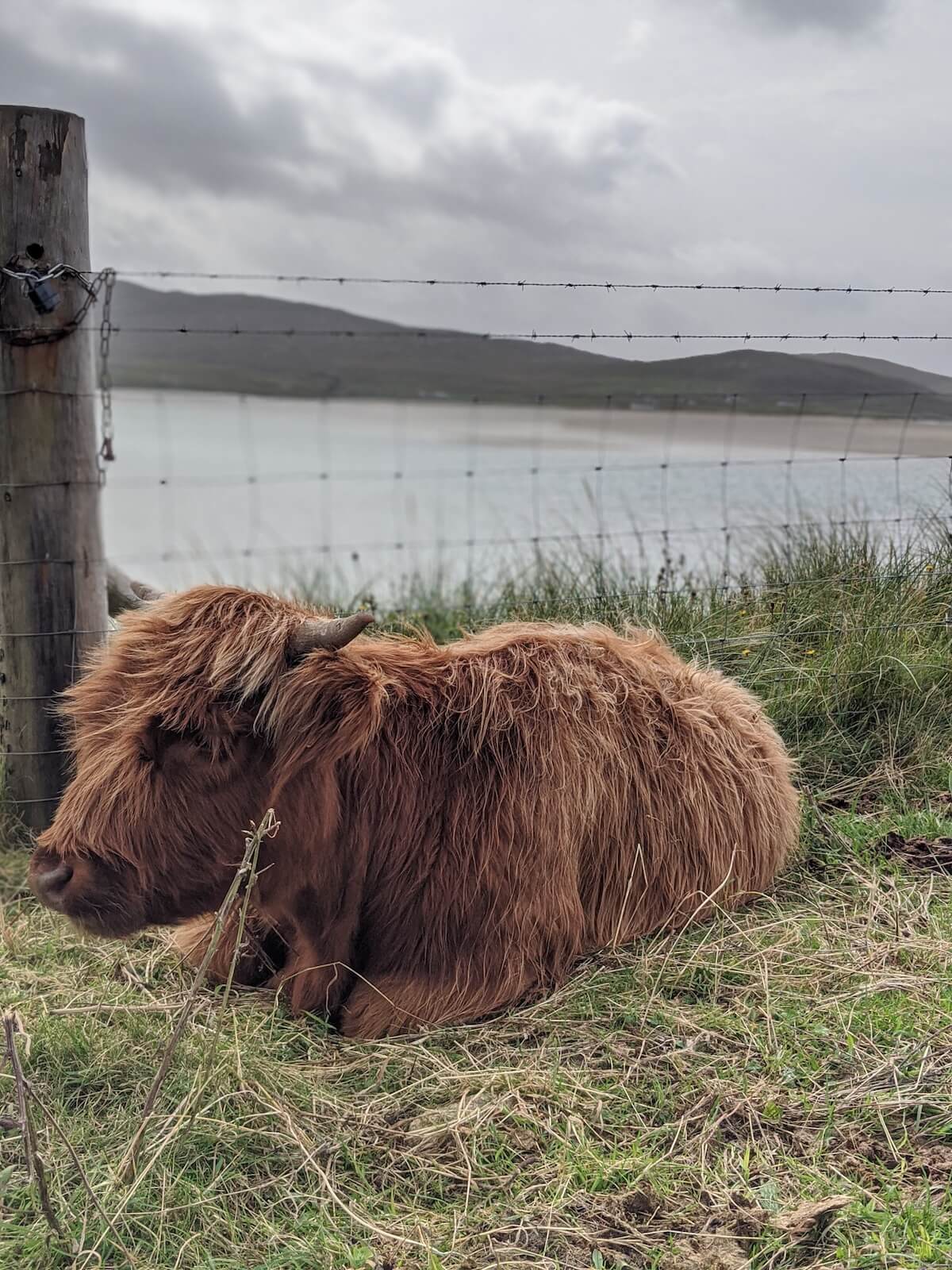
When we wild camped in Harris we camped next to a field of cows but I scoured the fence first to make sure they were well fenced off. Did NOT want to be camping on their patch.
Just be aware of the wildlife around – so you know if it’s safe, and what those noises are in the night.
4. Take a tent fit for purpose!
Although my £300+ Coleman Spruce Falls tent is great for festivals and general campsite camping, it turned out to be pretty useless for wild camping in Scotland. It was just too high, too hard to put up, and too much fabric – especially for two.
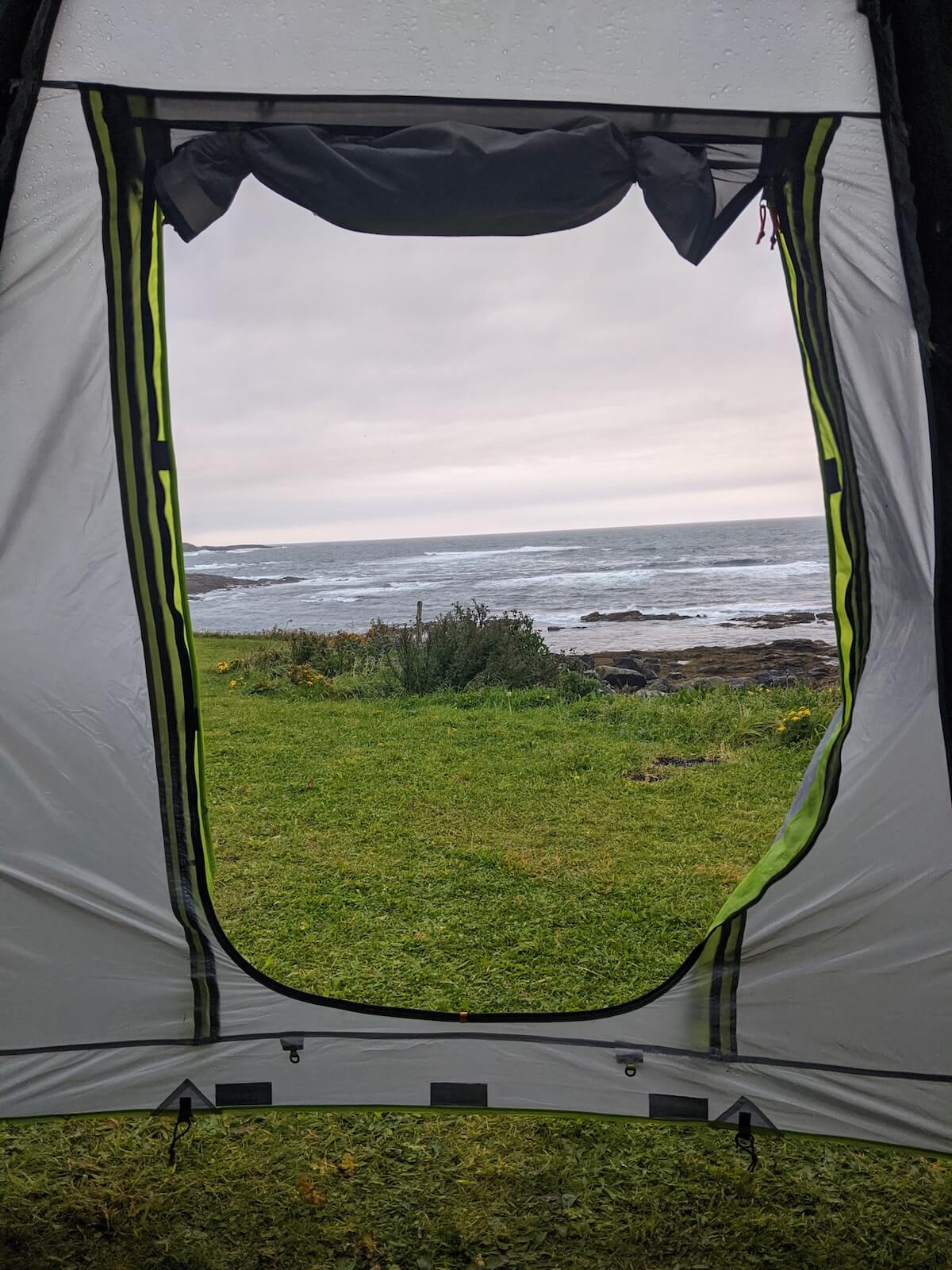
Before I went wild camping in the Outer Hebrides I’d deliberated over which tent to take, and, thinking of the rain, I decided to take this one. But at over two metres high it was no match for the winds. It was so hard to put up, and to peg properly and then there were so many moving parts it was flapping all night.
Thankfully I’d also taken my Vango 100 bikepacking tent, which takes about 5 minutes to put up and sits a lot lower so the wind went over it. Shame I hadn’t pitched it very well on the third night, and the pegs were rubbish – still managed to keep me awake with its flapping.
Take the time to make sure every part is pegged down properly!
5. Take quality equipment
You need good quality tent pegs. This is something 2020 has taught me. Not the crappy ones most tents come with, but better storm pegs. I’ve said this above, but just want to reiterate.
The winds in the Outer Hebrides are like no winds I’ve experienced before – well, apart from the winds whipping up the sandstorms at Lake of Stars Festival in Malawi that is.
You’ll wish you spent that extra few quid when you’re wondering in the night if your tent will blow away.
TOP TIP: Take a trusty bag!
It was great having this Osprey Archeon 25 Women’s bag for my week in the Outer Hebrides. Although we had the car, we did hike out a bit to do the wild camping, and so knowing I had somewhere safe and dry to put all the bits and pieces I needed overnight was great.
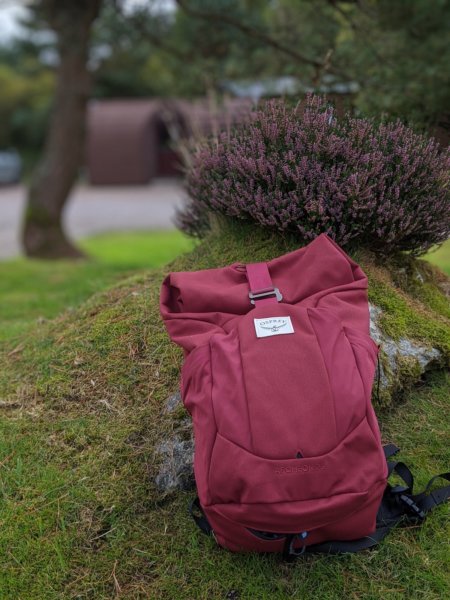
This bag is such a great size for a day or two’s hike. You can fit your drinks in the front, there’s even a space for a laptop down the back, and it rolls over at the top to keep everything dry and safe. There’s this nice buckle on the front too. It comes with a rain cover, and all the materials its made from are recycled.
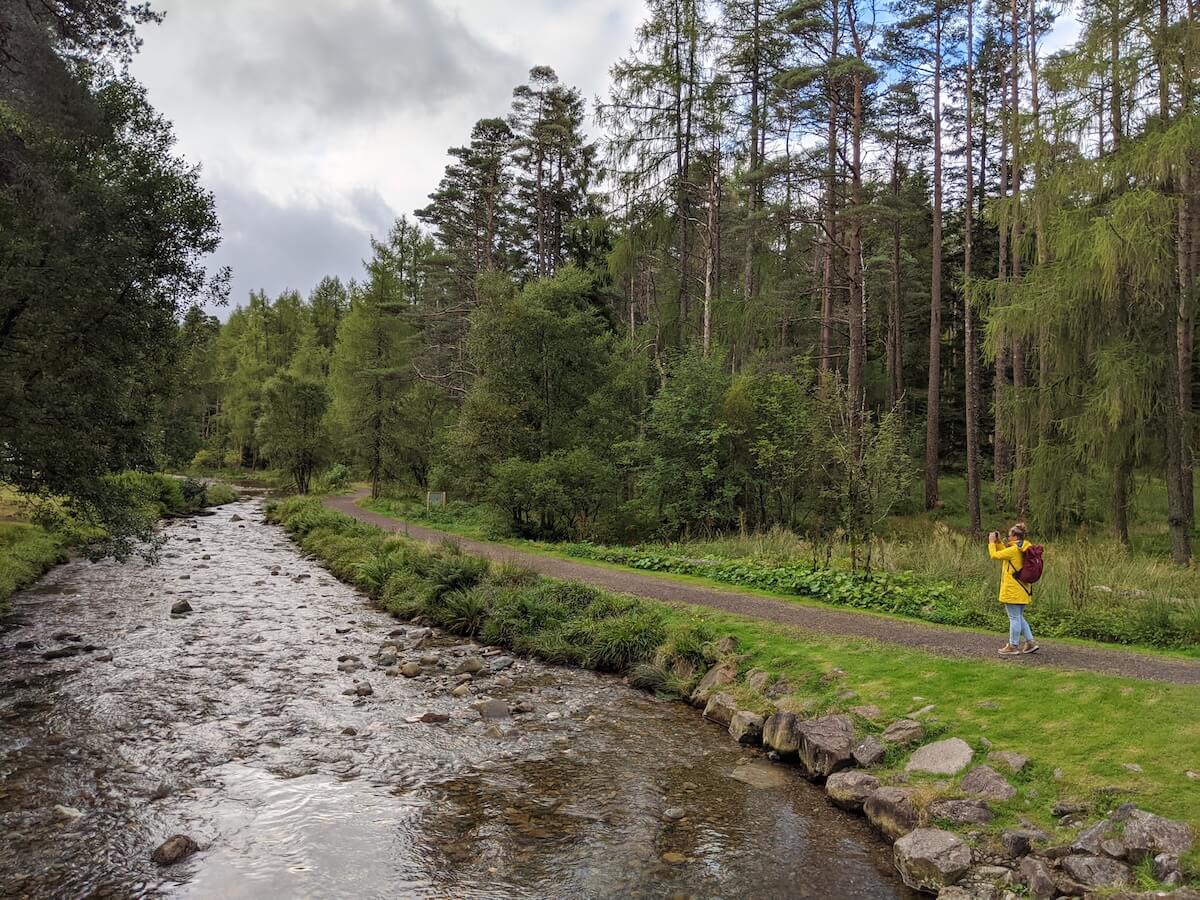
It comes in deep blue and red, and is specially designed for women. I used it on the beach for my camera equipment, in the forest, while we were camping, and I’ve also used it for weekends away in hotels too – so versatile!
6. Break it up with a proper bed
My experience wild camping in the Outer Hebrides was fab, and a real adventure. I’ll admit I was so happy when we got to our Airbnb though.
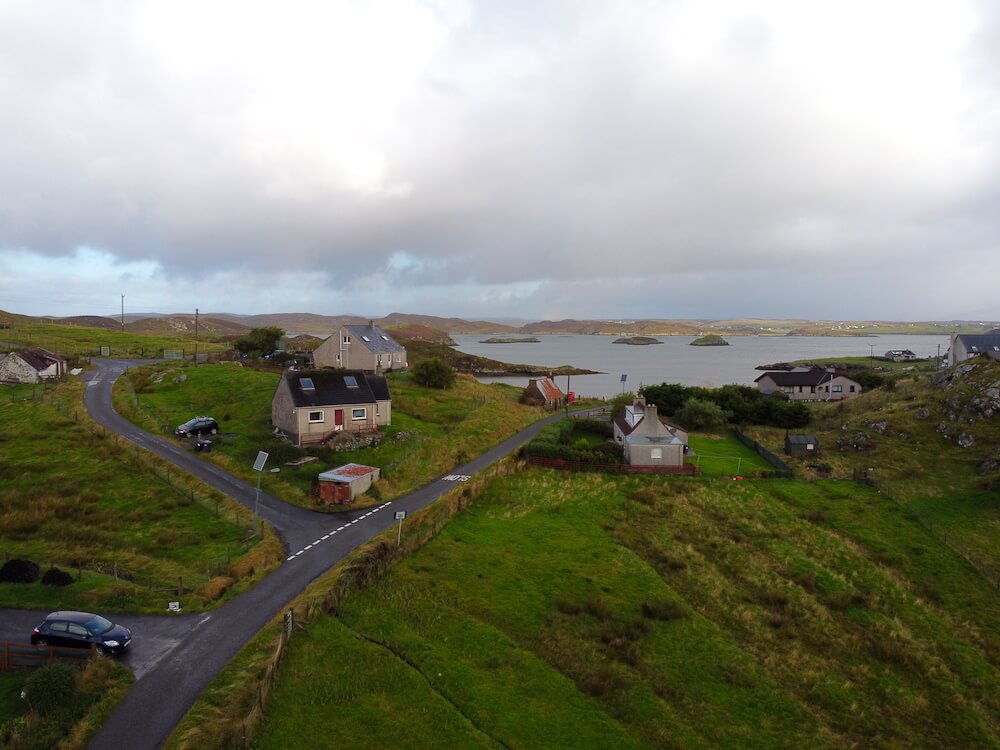
We stayed in a private room in a house in Cromore, in Harris. It was probably the best £21 I’ve spent in a while. Tracey was a great host, it was lovely to be in a comfy, warm house and there was all the facilities we could want.
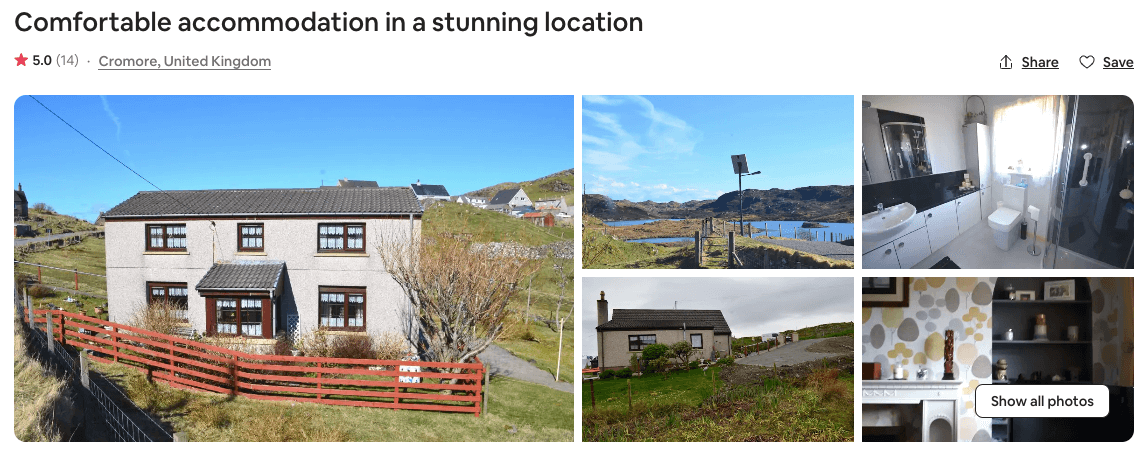
After a few nights of wild camping in the Outer Hebrides Helen and I arrived at the Airbnb for check in at 2pm, had a shower, and then both accidentally fell asleep until 7pm. Still managed to sleep at 11pm all night.
Outer Hebrides wild camping is tiring!
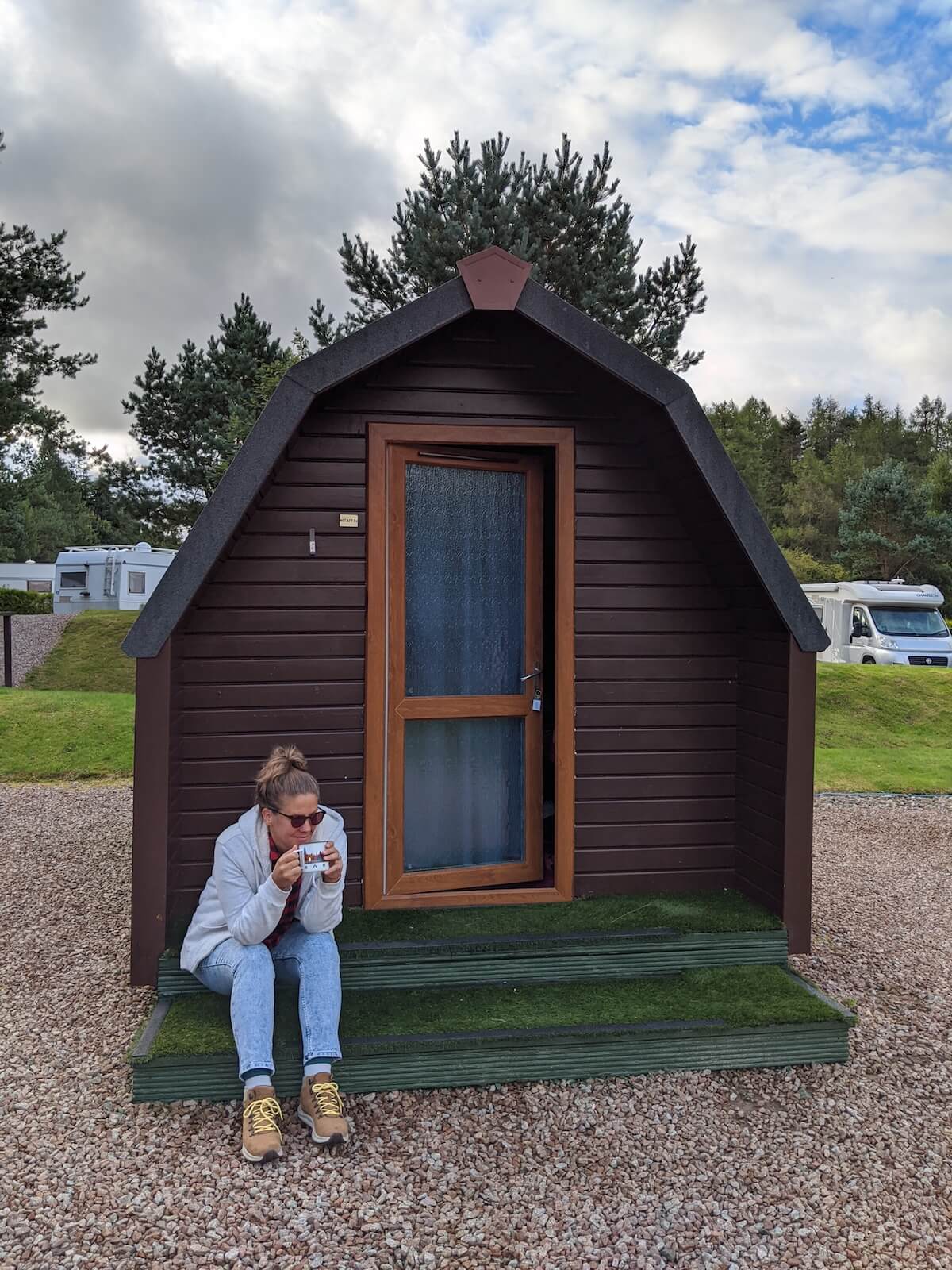
We also stayed in these cool hiker huts at Pine Trees in Loch Lomond National Park on the way up – they were great!
Breaking up your wild camping in the Outer Hebrides is a great way to get a shower in, and to refresh for another adventure.
7. Your stove might not work
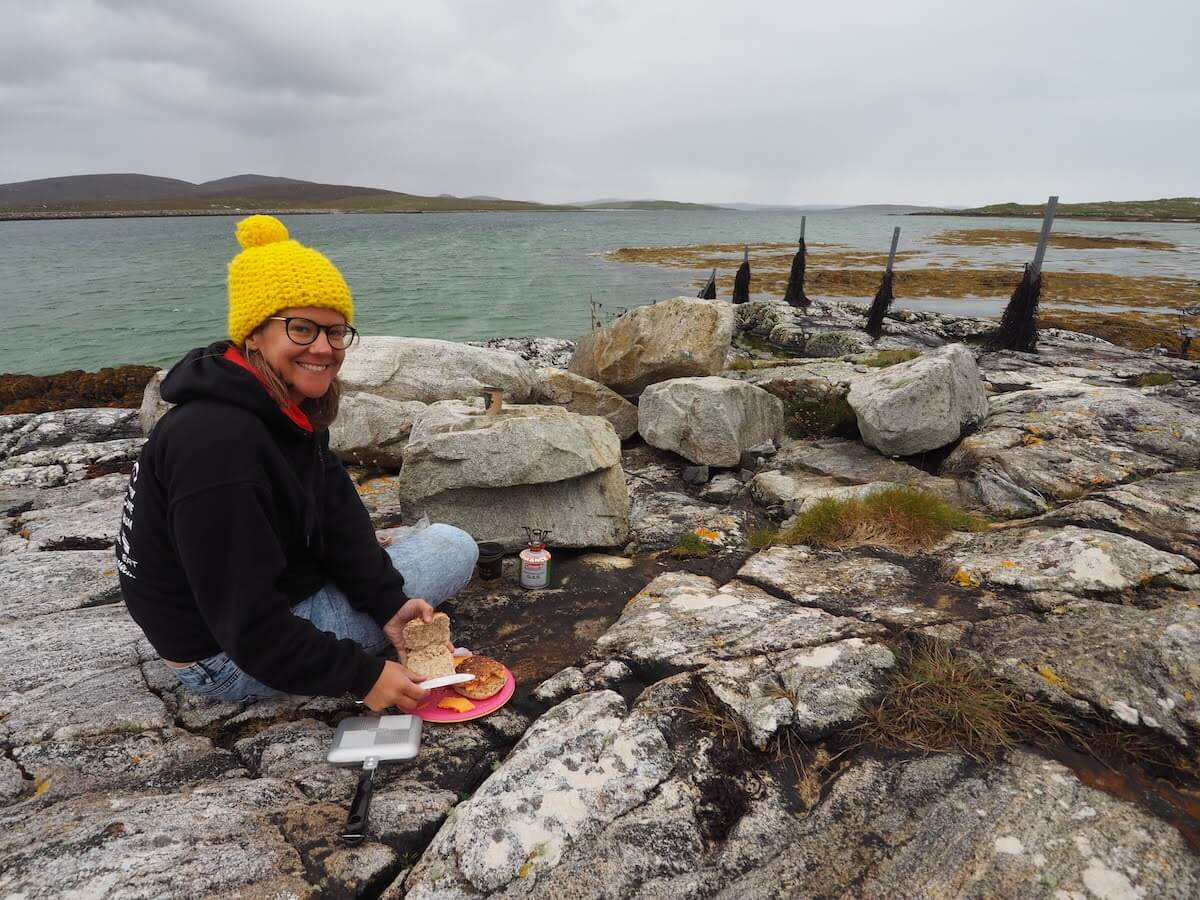
Despite taking an array of camping equipment, it was all pretty useless in the wind. Couldn’t even get the stove working actually as the flame was blown away and wouldn’t cook what I put on top. I’d made some amazing cheese toasties on my camping trip to Norfolk by cooking outdoors, but the thing just wouldn’t work in the Outer Hebrides wind.
We ended up with a slight warm dry cheese sandwich for breakfast.
Either look for a better spot than I found behind that rock, or… take food that doesn’t need a stove.
You are allowed to set fires when wild camping in Scotland, but keep them small. We didn’t bother – too risky.
8. Know the rules of wild camping in Scotland
Technically, you’re allowed to wild camp anywhere in Scotland thanks to the the Land Reform (Scotland) Act 2003.
Though this doesn’t include Loch Lomond and the Trossachs, where you need to get a permit (it’s only £3).
The official wild camping rules from Visit Scotland
“If you’re planning a wild camping trip, be sure to familiarise yourself with the Scottish Outdoor Access Code. It’s not complicated – basically, campers should follow a policy of ‘leave-no-trace’.
Here are some top points to follow:
Avoid overcrowding by moving on to another location if it’s already a busy spot.
Wherever possible, use a stove rather than an open fire. Never light an open fire during dry periods or in sensitive places like forests or peaty ground.
Take away your rubbish and consider picking up other litter as well.
If in doubt, ask the landowner. Their advice just might help you find a better camping spot.”
– VISIT SCOTLAND
Definitely check out the Scottish Outdoor Access Code. It’ll give you all the info you need to know about dog walking in the countryside, what to do around farm animals, and cycling, hiking and camping in tents and with campervans too.
And remember, you can stay in any one place for up to 3 nights. This will help to minimise your impact on the flora and fauna in your chosen wild camping spot, and keep you moving. You should keep the amount of people you’re with to a minimum.
Always good to know where the best accommodation in the Outer Hebrides is, when you’re planning a camping trip there!
READ MORE: Beginners Guide to Wild Camping in the Lake District
9. You won’t have WiFi or 3G/4G
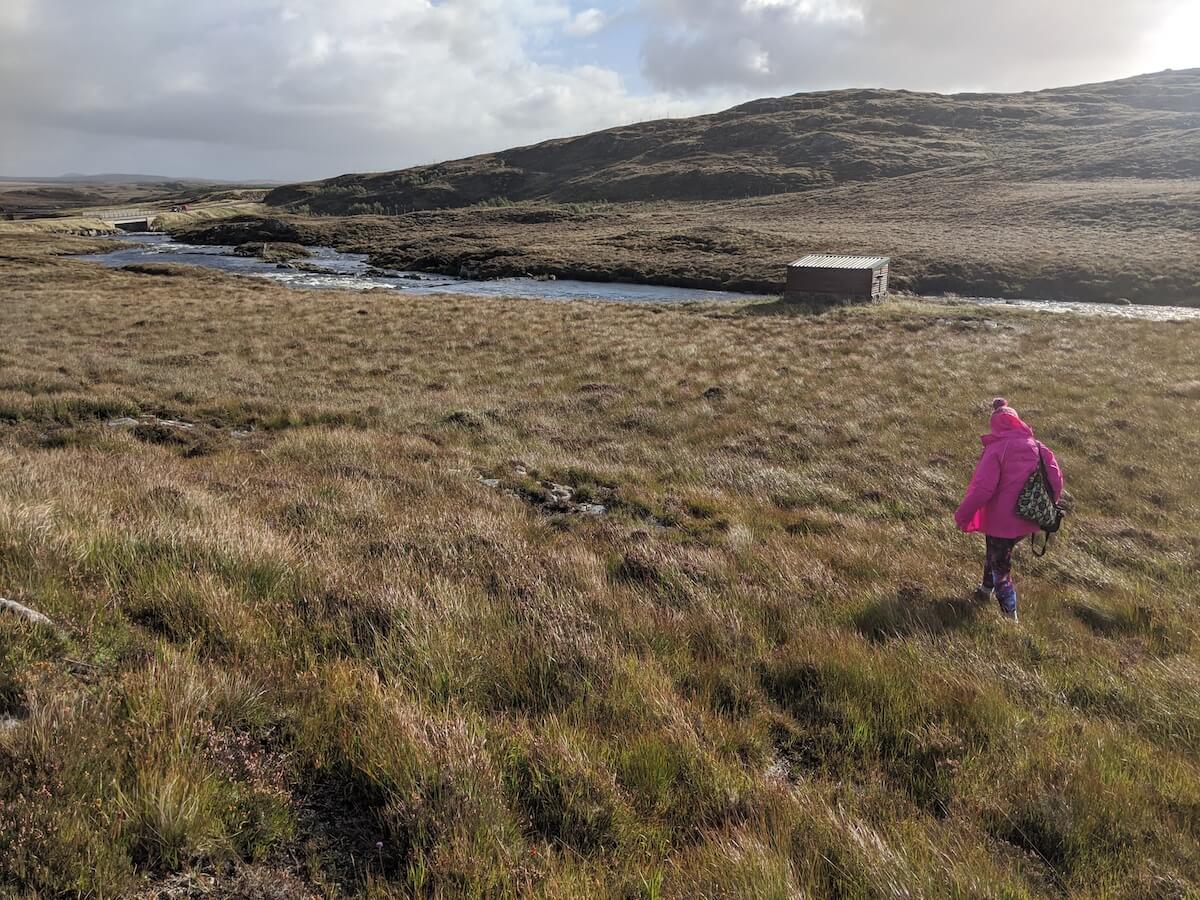
I barely had any phone reception for the whole trip, from Oban to Skye, through 5 islands of the Outer Hebrides – I’m on Three. Helen is on Vodafone and didn’t fare much better.
We were fine with the WiFi we got in the restaurants and cafes – everyone we asked was happy to give out their codes.
I actually enjoyed the time off, although it did make it difficult for mapping. Just make sure you have the maps loaded up before you leave WiFi.
10. Take a powerbank
Even if you don’t have 3G you’ll want your phone for travel bookings, for photos and for anything you have stored on there like podcasts and audiobooks.
I’d recommend getting a powerbank to have with you in case of emergencies. It’s kinda disorientating not having a charged phone, even if you can’t access the internet.
10. Pack for all weathers, and then some
The weather in Scotland is crazy year round. One minute it can be scorching sun, and the next wintry rain – this makes the rainbows stunning.
But, it does make it more difficult to pack.
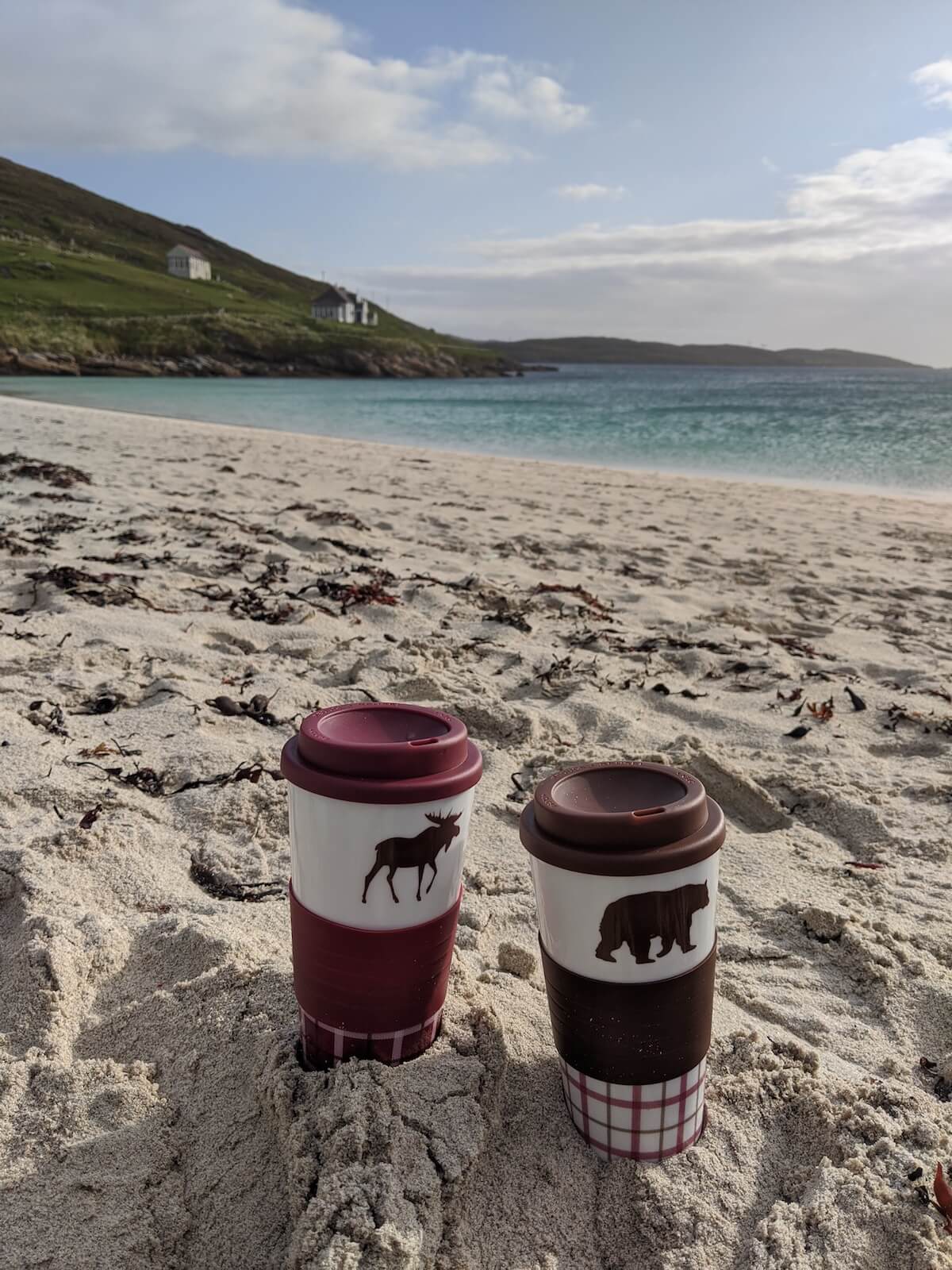
Expect the nights to be COLD. Bring an extra blanket if you can. Take a good quality sleeping bag – and make sure you have something insulated to keep the cold ground from touching you.
You need a windbreaker, a thermal fleece, and plenty of socks. Take hiking boots, and some waterproof clothes too. I ended up wearing everything I took, as I just felt like my clothes got so dirty so quickly.
Pack suncream, and an umbrella too.
More packing tips for the Outer Hebrides below.
11. Prepare for midges
In September, in the Outer Hebrides, we were absolutely fine. Didn’t even see one midge while wild camping in Scotland.
I know that in August, it was a different story. You need to take midge repellant, and maybe even a face covering too. They SWARM. Beware!
You can check the midge forecast map before you go to be sure.
12. Buy from local businesses
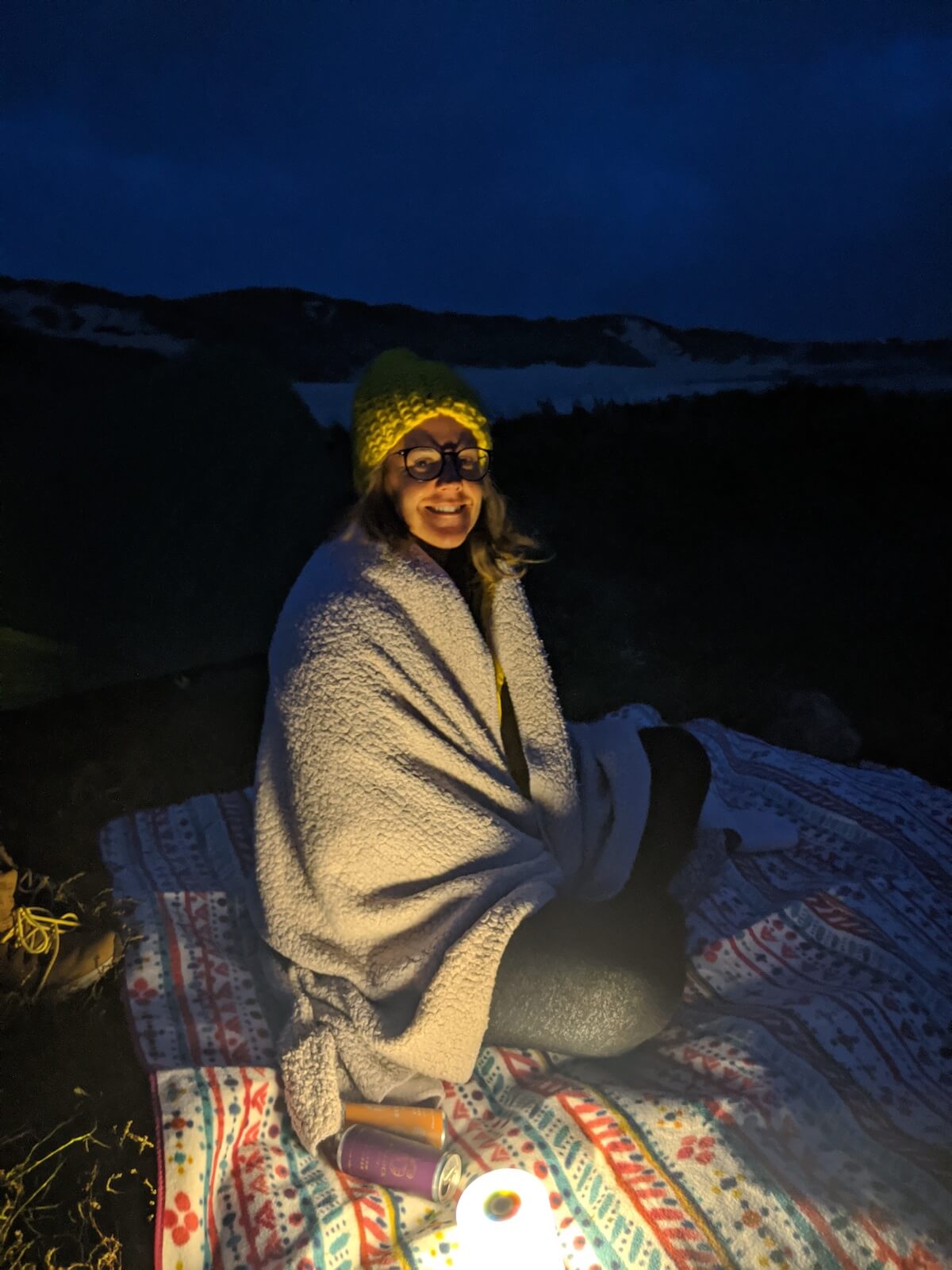
We did see a few co ops dotted about the Outer Hebrides, but try and spend some money locally instead. Try the fish market for lunch in Oban, pick up some treats from the community shop in Harris, try the Hebridean toffee and eat out to taste the local cuisine. It’s tempting to be 100% prepared, but it’s fun to sample local produce.
Also, visit a distillery and pick up some whisky for a night cap. The Harris Distillery was particularly special.
13. You don’t need to poo in a hole
We found there were plenty of public toilets as we travelled through the Outer Hebrides, and so never had the problem of needing to take a trowel to poo in a hole.
However, if you’re hiking and wild camping in the Outer Hebrides you might need to think about this. Not as agile and speedy as us with our car. I have no experience in this but I’m told you need a trowel, and maybe some toilet paper and a nappy bag. Good luck.
14. Fill your hot water bottle
Before you go to sleep boil water and use it in your water bottle as a hot water bottle. Then put it in your sleeping bag. Careful it’s not too hot though!
Then you can just drink it in the morning, or, if you have a fancy water bottle that retains the heat, the hot water for your coffee is ready to go first thing. Camping hack!
READ MORE: The Best Beaches in the Outer Hebrides
15. Wild camping packing list
Obviously you’re going to need a backpack big enough for all your camping equipment if you’re hiking at all to go wild camping in Scotland. We were never actually that far away from our car so we were fine.
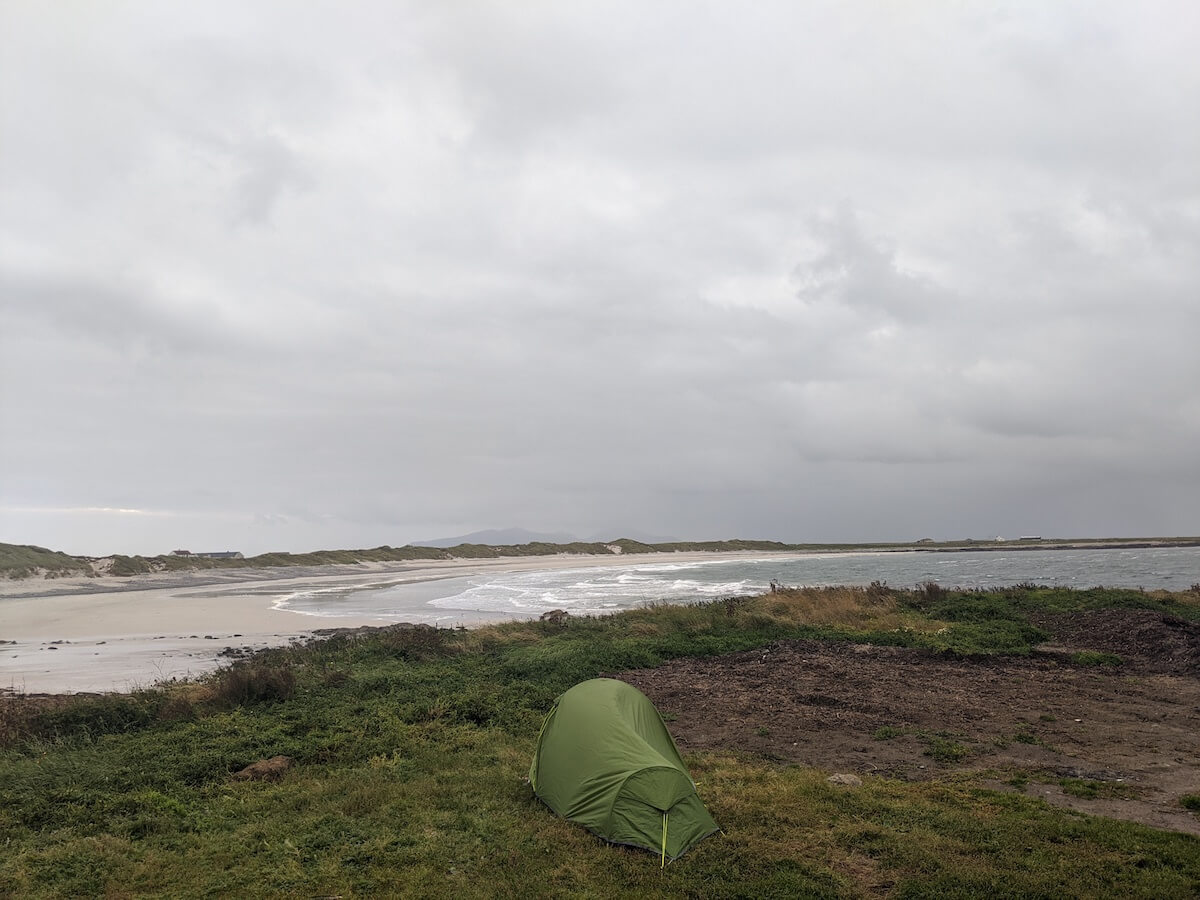
A lightweight tent. I have the Vango 100 and love how easy it is to put up. It’s really, really small though. Like, when I have my coat in there it takes up noticeable space, and I definitely wouldn’t recommend for anyone taller than me (5ft 9). It’s super easy to pitch though, and very light.
You need a good quality all season sleeping bag, and an insulated mat too. Maybe some sort of pillow? Up to you whether you can be bothered to carry it or not.
You need a way to get water. I was fine with two bottles kept filled and kept in the car but you can get water treatment tablets from Boots easily enough.
Other things to consider taking wild camping in the Outer Hebrides include:
Camping stove, with a gas cartridge. I have this Shayson Camping Stove for £20 and think it’s great. I actually love it.
Take the phone power bank I mentioned, and the midge repellant, and the aforementioned trowel for your number 2s. Also, a litter bag to clear up after yourself. Remember, leave no trace.
You might want to bring a First Aid Kit, a repair kit for the tent, and some hand sanitising gel too. Make sure your toiletries are all biodegradable.
Some sort of picnic mat to sit out at night. If you’re in little hiking tents there’s no space to sit up. Bring a mat to lie out on at night.
Wild camping in the Outer Hebrides
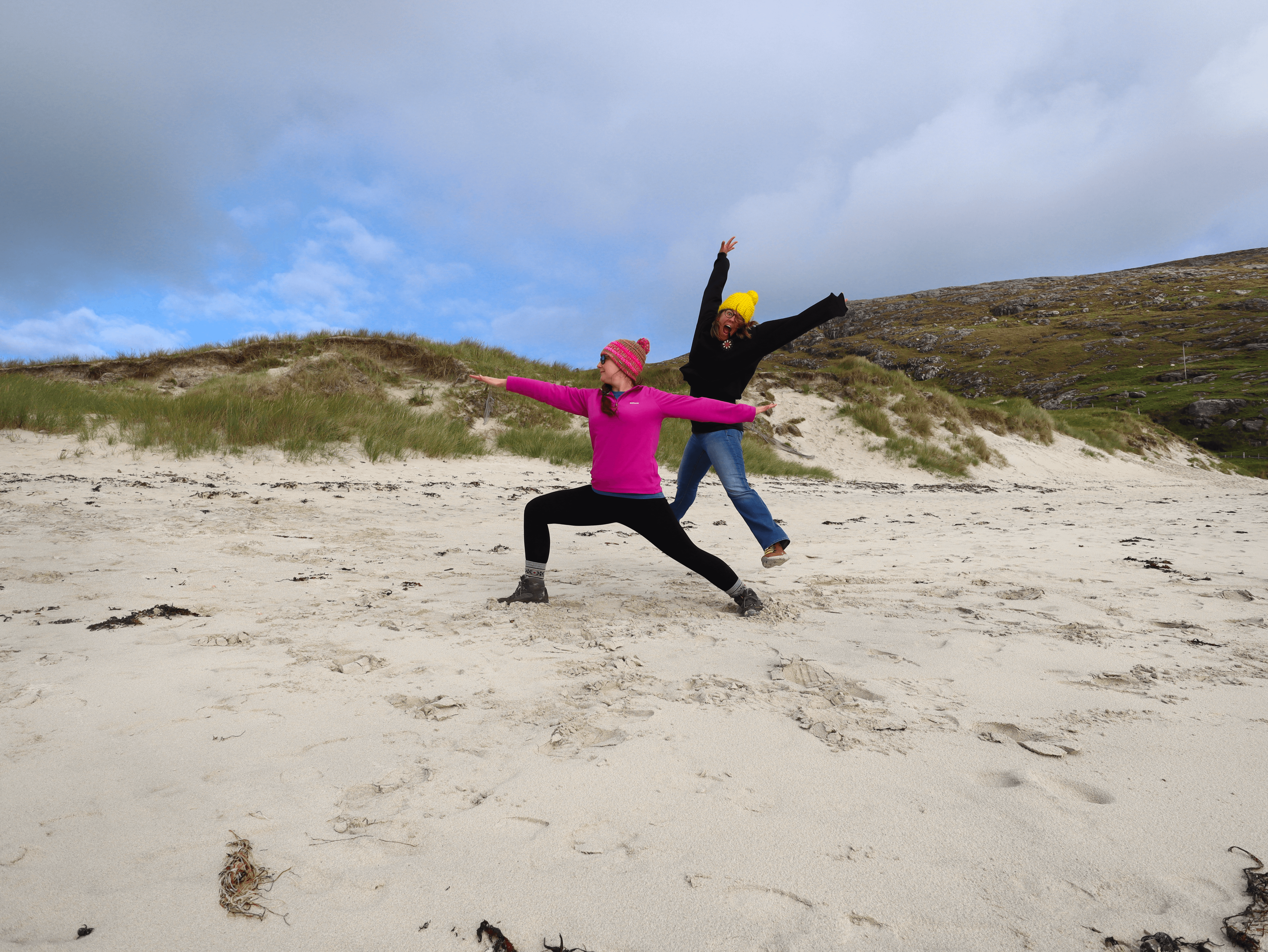
– Still managed this kinda energy after night two
I loved our Outer Hebrides wild camping trip – we had a great time. I learned so much and would be a much better wild camper in the future.
Next Scotland wild camping plan: The Shetland Isles!
First time Time Cycle Touring the Outer Hebrides.
Hope you had a great time!
So how far do you need to carry a tent away from the car? My tent at 17kg isnt lacking heft!
hi
great post
were heading there this summer covid permitting .
family of 4
re you tent trouble we use berghaus air 6 and air 4
we had the air 6 up in august 20 in devon in the storms that hit , local windspeed was recorded at 60+mph the air beams flex in the wind compared to poled tents .
(i run a company doing camping hoildays) we lost 3 poled tents in the storms .but the air beams were fine.
we intend to take the air 4 this year were doing a 4 week tour of scotland .
hope the above helps
Memories…. 🙂 Great post – such a good trip! Miss you!!!! Need to plan the next one and we’ll be pros! xxx
Yes, definitely! Such a fun week and I’m so glad we managed to get it in in 2020! A different country – who’d have thought it! Looking forward to our next trip already 🙂
Wow.. Wild Camping is my thing, It’s always the most adventurous and memorable trip one can ever home. I think of my adventure camping at laugh. Thank you for sharing camping tips.
Yeah, I really enjoyed it too. Definitely want to do more of it next year, but just with a better tent. I’m so glad I did this as a trial – wish I’d got out sooner, but it’s been a crazy year! Next year I plan to do a LOT more!