
Is the Japan Rail Pass Worth it? + Top Tips for Maxing it Out
Is theJR Pass worth it? Let’s take a look at how I managed to use it over three weeks, and what the costs would’ve been without it. Introducing, the Japanese Rail Pass…
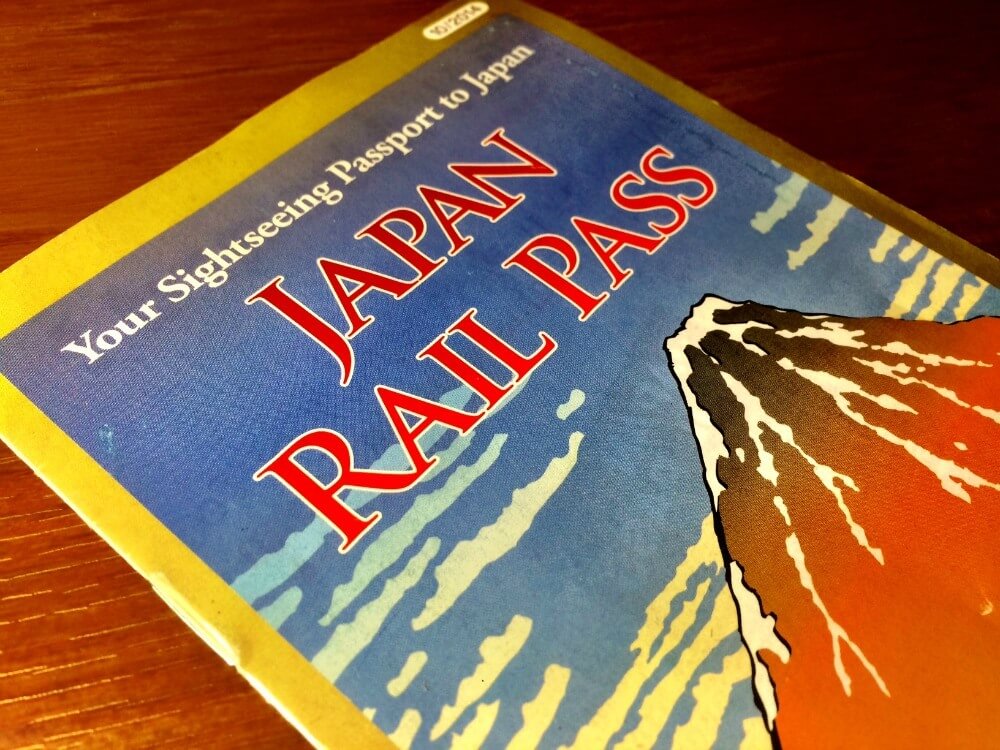
I booked the Japan JR Rail Pass for three weeks knowing that after two weeks in Tokyo I’d be ready to explore more of what Japan had to offer for the rest of my time in the country.
I paid £314 for the three-week Japan rail pass, with Fed Ex next-day delivery (I’d left it to the last minute – standard).
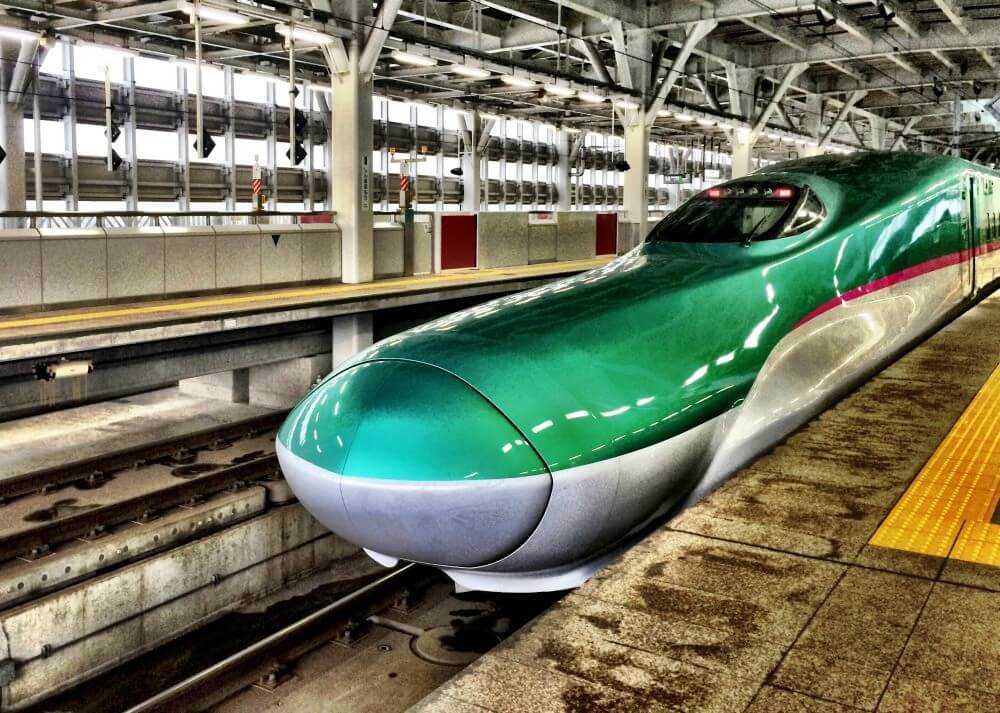
Just to note you don’t need a Japanese rail pass if you’re planning on staying in Tokyo only. I so nearly bought one for that time too which would’ve been a horrible waste of money. Journeys on the Tokyo subway are around £1.50 so in that circumstance, the Japan Rail Pass would not be worth it.
You only need a Japan Rail Pass if you plan on exploring more of the country, beyond Tokyo. Staying in Tokyo? Check out my week itinerary for Tokyo for more inspiration.
Travelling by train in Japan
Japan may be the favoured holiday destination for many people, but the cost of travel is… not encouraging. With the island being long and lean, travelling across the country could cost a domestic flight – or even a week-long drive. Many opt for railway travel instead, but balk at the cost of a single bullet train ride.
That’s where the Japan Rail Pass steps in, so we don’t have to limit our visit to a single city. While paying ticket by ticket will dent your wallet, the rail pass is a one-time purchase that offers unlimited usage.
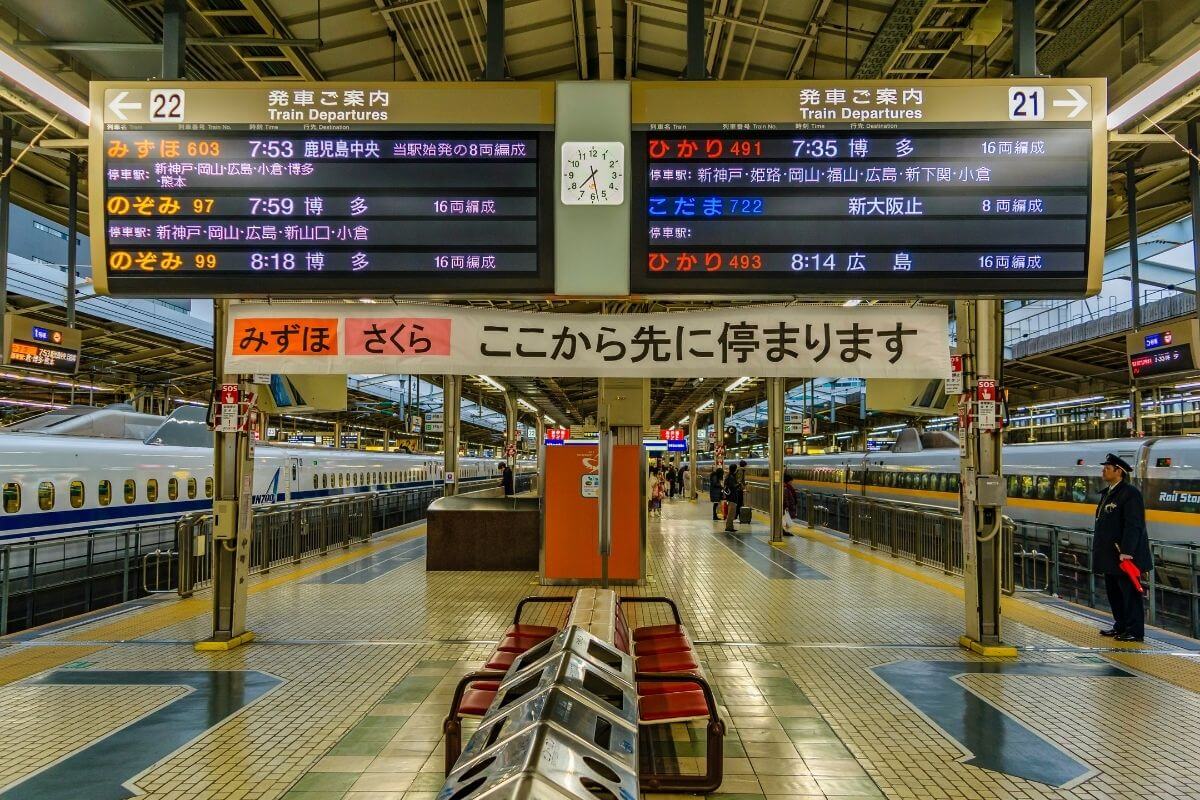
I love to look at how much I’m getting for my money so here’s what my time exploring wider Japan would’ve cost me if I hadn’t invested in the three week Japan Rail Pass. All prices are from the almighty hyperdia.com website which gives the train information for the whole of Japan.
Any week-long (or longer) travels through Japan proves how the pass is cost-for-value. I’ll be breaking down the cost of the Japan Rail Pass and how it compares to regular travel.
Introducing Japan Railways (JR)
Before you panic over the sheer number (and names) of trainlines in Japan, the bolded ‘JR’ lines bring some relief. Short for Japan Railways Group, the JR network comprises of six regional operators to be the most prominent railway collective in the country.
JR East, JR Central, JR West, JR Shikoku, JR Kyushu and JR Hokkaido train lines allow comfortable cross-country travel, connecting major cities under a single system. JR also offers bus and ferry services.
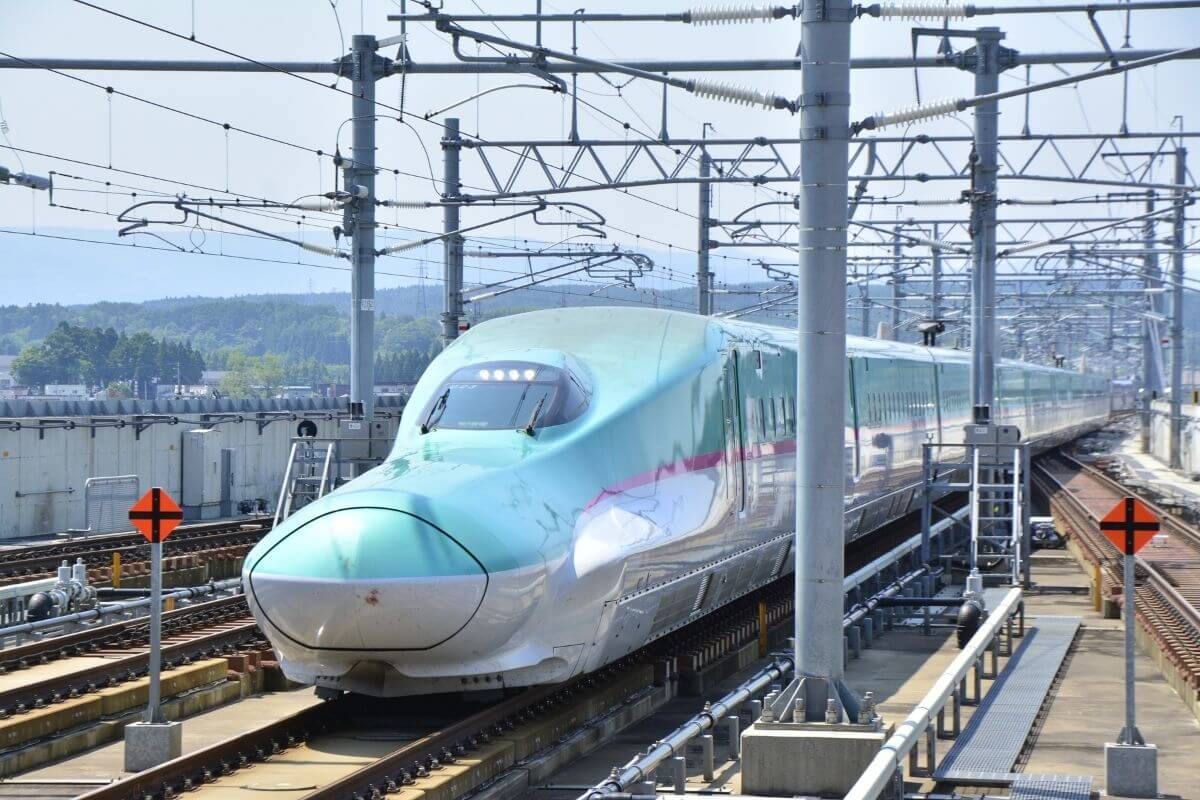
Local trains cover every minor station, while Rapids and Express trains skip to major stations. Limited Express trains come second to the Shinkansen; the bullet train a staple in intercity and cross-country commute.
What is a Japan Rail Pass?
Lucky for us, Japan Railways understands how costly travel can be! To help out travellers with small budgets, they offer a variety of railway passes that let you take JR trains at much cheaper cost. Think of it as a gift card – limited only by the number days you’ve paid for.
Typically when people say ‘Japan Rail Pass’, or JR Pass, they’re referring to the nationwide pass. This pass allows unlimited travel on all JR trains across the country as well as select JR buses and the Miyajima ferry. Tokyo visitors will be glad to know that this includes the Narita Express airport train.
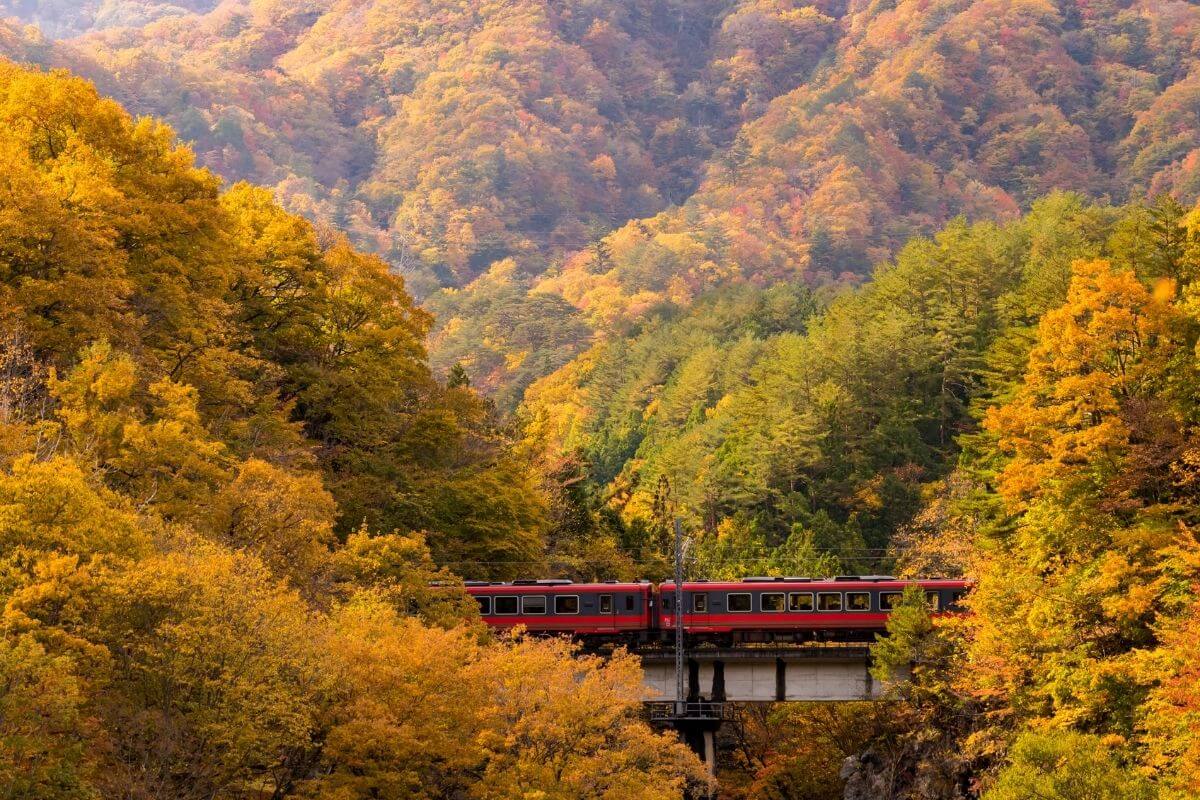
The Nozomi and Mizuho trains are exceptions, but you can easily substitute with the Tokaido Shinkansen and the Sanyo and Kyushu Shinkansen as they cover the same route.
Note that the JR Pass can only be used on lines operated by the JR group! I suggest plotting out your routes using Hyperdia to see which trains are covered by the pass, or risk paying extra for the other train lines.
JR offers other rail passes, but I’ll mention them in a later section.
How & where to get a JR Pass
Generally, regional rail passes can be conveniently bought at several locations: JR-specific ticketing machines in every major station, in-station travel agencies, ticket windows for private trainlines, and from the Japan Travel Bureau (JTB). Some passes are also available online.
The comprehensive Japan Rail Pass however, has to be ordered online in advance. Since it’s specifically created for tourists, it can only be bought by foreign passport holders. You can’t buy it in Japan!
The steps to getting a JR Pass are simple:
- Visit their official website or affiliated agency sites such as Voyagin; apply there.
- An exchange voucher, Japan rail map and timetable booklet will be sent to you.
- Upon arrival, exchange this voucher at any JR ticket office or travel center; valid for 3 months after purchase.
- You’ll be asked to show your passport and fill out a form. The form records the date you’ll activate your pass on.
- You can now reserve seats for free! Just drop by any ticket office ahead of your Shinkansen travel.
If you’re buying a regional pass instead of the nationwide one, I recommend getting your rail pass online in advance anyway. It’s cheaper than buying it in Japan.
My JR Pass journeys comparison
These Japan Rail Pass prices are from a few years ago, but they have gone up in parallel so the costs are still relevant if you’re working out if the JR pass is worth it.
- Tokyo to Kyoto 8,210¥ | £45.67
- Kyoto to Osaka 560¥ | £3.11
- Osaka to Kyoto 560¥ | £3.11
- Kyoto to Nara 620¥ | £3.45
- Nara to Osaka 800¥ | £4.45
- Wayamaka to Osaka 1240¥ | £6.90
- Osaka to Tokyo 8750¥ | £48.68
- Tokyo to Yamagata 6800¥ | £37.83
- Yamagata to Hakodate 9830¥ | £54.68
- Hakodate to Chitose 5070¥ | £28.20
- Niseko to Sapporo 2160¥ | £12.02
- Sapporo to Otaru 640¥ | £3.56
- Otaru to Tokyo 14470¥ | £80.50
- Tokyo to Narita Airport 1400¥ | £7.79
= 60,540¥ | £336.88
Wow, it’s a close one, even with travelling halfway up the country and back again. I was actually expecting there to be more of a difference. Now I feel like I didn’t travel enough – should’ve done that Hiroshima trip.
Total without pass = £336.88
Total with pass = £314
Difference = £22.88
So I guess the answer to ‘is the Japan Rail Pass worth it for 3 weeks’ is yes, but only just!
If you’re travelling Japan for three weeks, as well as the cost, one of the other benefits of the rail pass in Japan is that you don’t have to buy a ticket every time. I’d have definitely missed a few of my trains if I’d had to join the queues at the station. Just ask when you flash your pass to get through the turnstiles – I only ever had to book seat reservations, and that was if I wanted to.
Plan well in advance to really make the most from your pass.
Comparing travel costs
The Japan Rail Pass is extremely cost effective in that it offers not just cross-country rail access, but also access to city lines and buses. Japanese transportation is not cheap, especially when it comes to intercity travels.
If you’re planning two or more intercity trips that take you from Tokyo to the southern or northern tip, the main JR Pass is more than worth it.
I’ve put the JR Pass prices in the table below.
| Type of JR Pass | Regular | Green (First Class) | ||
| Adult (12+) | Child (6-11) | Adult (12+) | Child (6-11) | |
| 7 day | ¥29,650 | ¥14,825 | ¥39,600 | ¥19,800 |
| 14 day | ¥47,250 | ¥23,625 | ¥64,120 | ¥32,060 |
| 21 day | ¥60,450 | ¥30,225 | ¥83,390 | ¥41,690 |
It might look like you’re paying a lot of yen in one go, but regular train tickets aren’t exactly cheap either.
- Tokyo-Hiroshima return trip (Shinkansen) = ¥38,000
- Tokyo-Kyushu return trip = ¥23,000
- Tokyo- Hokkaido single trip = ¥15,000
- Tokyo-Kanazawa single trip = ¥14,000
- Tokyo-Osaka single trip = ¥13,500
A 7-day JR Pass costs around the same as two one-way tickets between Tokyo and Osaka. It costs less than a regular return trip ticket between Tokyo and Hiroshima.
Here’s another scenario for cost comparison – imagine your 7-day itinerary will take you from Tokyo to Kyoto, Hiroshima, Miyajimaguchi, Osaka, and finally loop back to Tokyo.
The total cost of regular train tickets = ¥55,460
The cost of a 7-day JR Pass = ¥29,650
The money you save = ¥25,810
Keep in mind that the JR Pass doesn’t just give you unlimited access to JR trains. It also applies to buses, ferry services, and airport transfers. All you need are a few shorter rides alongside your long-haul train ride to make big savings.
If you want to compare how much it would cost to travel with and without the pass, this JR Pass Fare Calculator is great help.
Where can you go with a JR Pass?
The JR Pass takes you from one end of the country to the other – anywhere a JR line runs! JR East, JR Central and JR West trains circle within mainland Honshu, while JR Shikoku, JR Kyushu and JR Hokkaido bridges the more rural regions.

Apart from the JR Railway Pass, there’s one more nationwide pass. University students may rejoice in the JR Seishun 18 Pass – it’s only available during school holiday periods; cheaper still if you’re sharing it amongst friends.
If you’re only exploring a certain region of Japan, there are cheaper versions of the pass that apply to specific JR lines. Not everyone needs a comprehensive JR Railway Pass!
JR EAST
JR East South Hokkaido Pass: Offers 6 days of unlimited travel on JR East and JR Hokkaido trains covering the Kanto, Tohoku and southern Hokkaido regions.
JR Tohoku South Hokkaido Rail Pass: Offers 5 flexible days of unlimited travel; only on JR East and JR Hokkaido trains covering the Tohoku and southern Hokkaido regions.
JR East Tohoku Area Pass: Offers 5 flexible days of unlimited travel on JR East trains in Kanto and Tohoku regions.
JR Tokyo Wide Pass: Offers 3 days of unlimited travel on JR trains (and some non-JR trains) in Kanto region.
JR East Nagano Niigata Area Pass: Offers 5 days of unlimited travel on JR East trains covering Kanto, Yamanashi, Nagano and Niigata regions.
JR CENTRAL
Takayama-Hokuriku Tourist Pass: Offers 5 days of unlimited travel on JR trains between Nagoya, Takayama and Toyama; Osaka, Kanazawa and Toyama; covers certain bus routes too.
JR WEST
Kansai Area Pass: Offers unlimited travel on JR trains (except Shinkansen) between major Kansai cities. Available for 1 day, 2 day, 3 day and 4 day use.
Kansai Wide Area Pass: Offers the same areas of travel as Kansai Area Pass plus Sanyo Shinkansen route between Osaka and Okayama, and some JR limited express trains.
Kansai-Hiroshima Area Pass: Offers 7 days unlimited travel on all JR limited express trains in Kansai and Kanazawa regions, the Sanyo Shinkansen route between Osaka and Okayama, and the Hokuriku Shinkansen route between Kanazawa and Joetsu-Myoko.
Hiroshima-Yamaguchi Area Pass: Offers 5 days unlimited travel on the Sanyo Shinkansen route between West Honshu and Kyushu.
Hokuriku Area Pass: Offers 4 days unlimited travel on JR limited express trains in Hokuriku region, as well as the Hokuriku Shinkansen.
Sanyo-Sanin Area Pass: Offers 7 days unlimited travel on JR limited express trains in Kansai towards Shikoku region; Sanyo Shinkansen route between Osaka and Hakata included.
JR KYUSHU
Northern Kyushu Area Pass: Covers all travel on JR limited express trains between Nagasaki, Aso, Beppu and Yufuin, plus Shinkansen route between Hakata and Kumamoto.
All Kyushu Area Pass: Extends same coverage as Northern Pass, plus Shinkansen route to Kagoshima and certain limited express trains.
JR SHIKOKU
All Shikoku Pass: Offers unlimited travel on all lines including non-JR trains; opt between 2-day, 3-day, 4-day, and 5-day passes.
JR HOKKAIDO
Hokkaido Rail Pass: Offers unlimited travel on JR limited express trains and most buses, plus 30% off car rentals through affiliate Ekiren agency.
Do your research and see which pass fits your needs. Keep in mind that your passes run on consecutive days unless stated otherwise. On a bright note, children passes are usually half-price with under-6s riding for free.
Is the JR pass right for you?
Make sure you work out whether the rail pass is worth it for your trip. Calculate the cost of the individual trip and double check the pass is cheaper.
Remember you can only get the Japan Rail Pass before you enter the country. It has to be delivered to an address outside of Japan and then you can get it validated at a ticket office when you’re there.
The best thing about the Japan Rail Pass is that it gives you unlimited freedom to travel. This means you can go to as many destinations as you like without increasing the travel costs. If you are considering buying a JR Pass, carefully plan your itinerary to make sure you get the most out of it.
And do that trip to Hiroshima!
Very useful info. And it shows that really it isn’t that pricey to travel round Japan. I mean, it’s not cheap like SEA but not extortionate either. Considering the flexibility, the pre-booked ticket sounds like the best way to go.
Yeah, I think it’s perfectly manageable. The price is kind of like travelling round Europe. I did end up spending quite a bit, but I blame the skiing 🙂
Interesting. I’m like you, and would totally have weighed this up too. Are there are advanced tickets on trains in Japan like in Europe? I’m guessing not, and of course given the flexibility of the pass, it does sound like it was worth it!
Errrm, good question. I’m going to say yes because you can book tickets on the hyperdia.com website so yeah, you must be able to do it in advance. Just make sure you weigh it all up before you decide.