
7 Wonderful Things to Do in Fukui (Japan)
I felt the need to explain to my guides why ‘Fukui’ was a fun name for a place for us Brits. Why I kinda flinched to say ‘Fukui’ surrounded by lovely Japanese middle aged ladies.
Our guide at the Ichijodani Asakura clans ruins said Brits had told him it was funny before, but our wonderful guides hadn’t and kept repeating it. ‘Fukui’ is just the name of a prefecture in Japan.
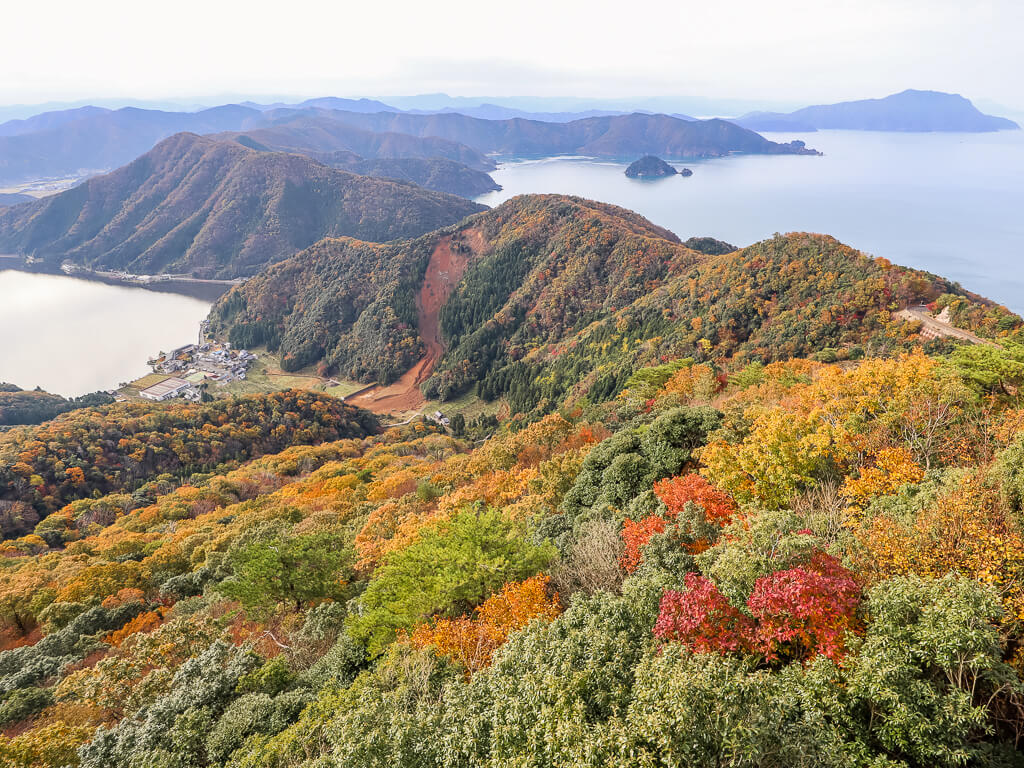
– A visit to the Rainbow Park summit is a must for things to do in Fukui
I told them it was not a word I’d say in front of my parents. Well, not intentionally.
Fukui.
FUK-U-I.
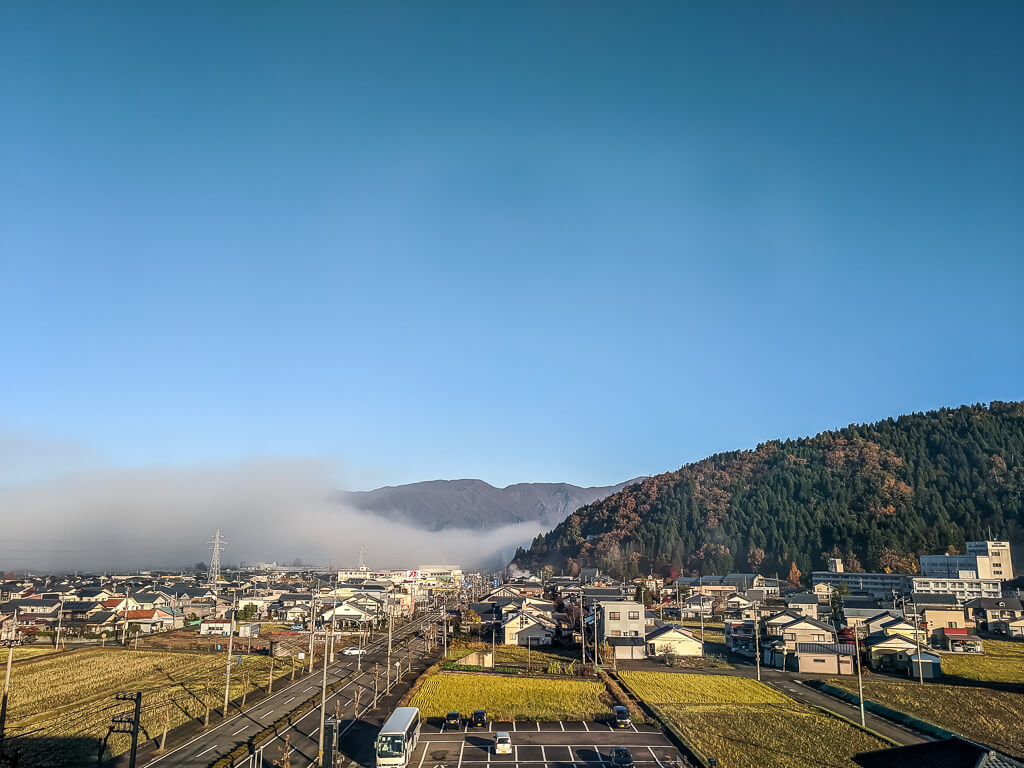
Teehee. Anyway, grow up.
The prefecture of Fukui is just north of Shiga, where I’d spent the last four days. I was there for three days to get a taste of the area and see some of the main things to do in Fukui.
FUN FACT
‘Fuku’ – means happy
‘I’ – means well
So Fukui means, ‘happy well’.
Therefore ifuku means well happy?
Best things to do in Fukui
1. Join the Mikata Five Lakes morning cruise
My 3 days in Fukui started off strong. The sun was out and the shores of Lake Biwa looked amazing.
We kicked off the day with a breakfast cruise organised by our hotel, the Hotel Suigekka. After 4 days in Shiga I was definitely getting used to the Japanese style breakfast.
Fish and fermented veggies all round!
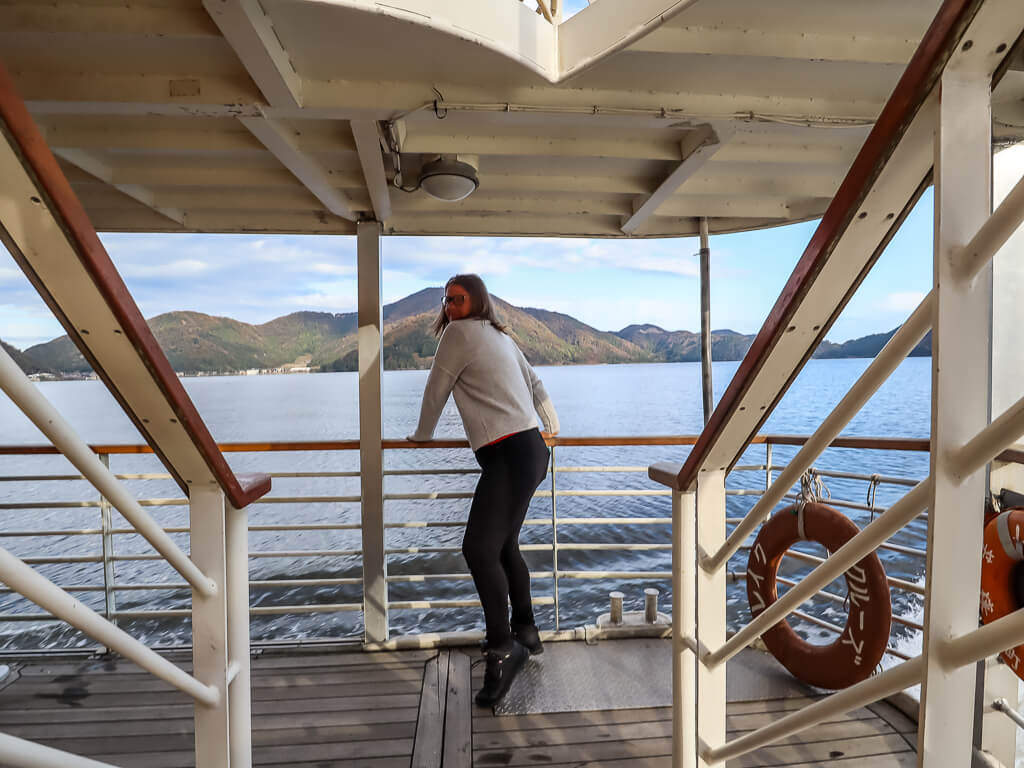
It really was a magical feeling to be eating this while cruising around the lake. Autumnal forests and blue skies surrounded us, the woodland landscapes penetrated by the odd house here and there.
You’d definitely need to enjoy your solitude to live around here.
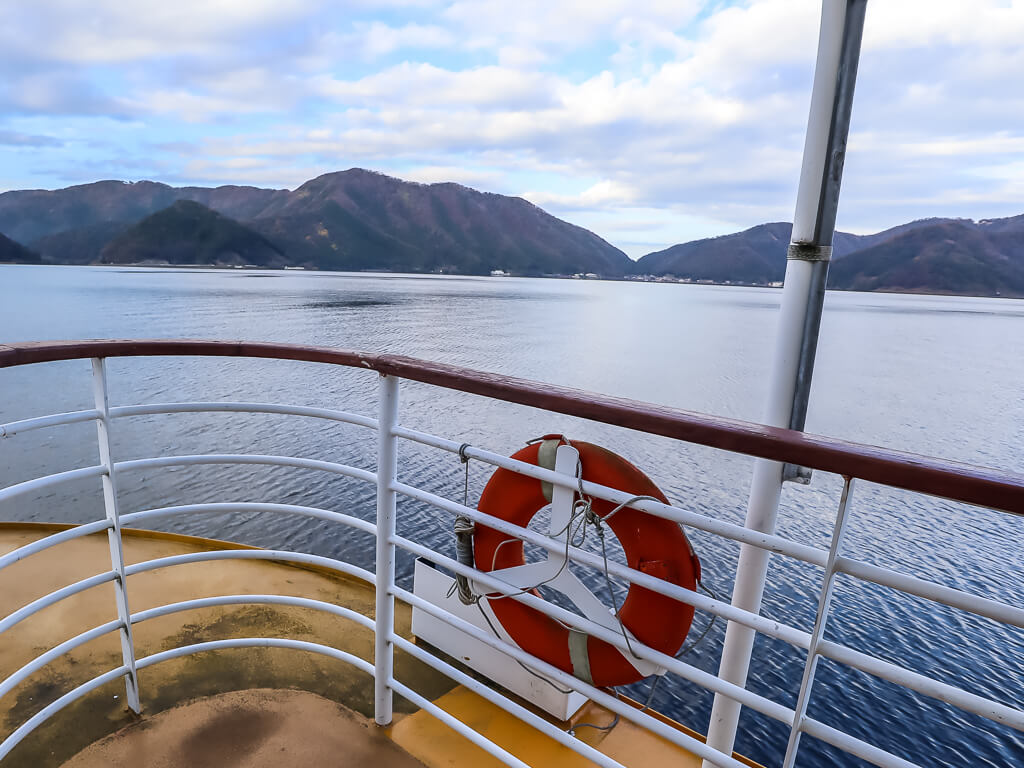
Standing up on the top deck, feeling the fresh breeze and seeing the vibrant colours all around made me so happy. There’s just something about being by the water, hey?
There are loads of great things to do around Lake Biwa – make sure to read that article before you go!
2. Visit the Mikata Five Lakes Rainbow Line Summit Park
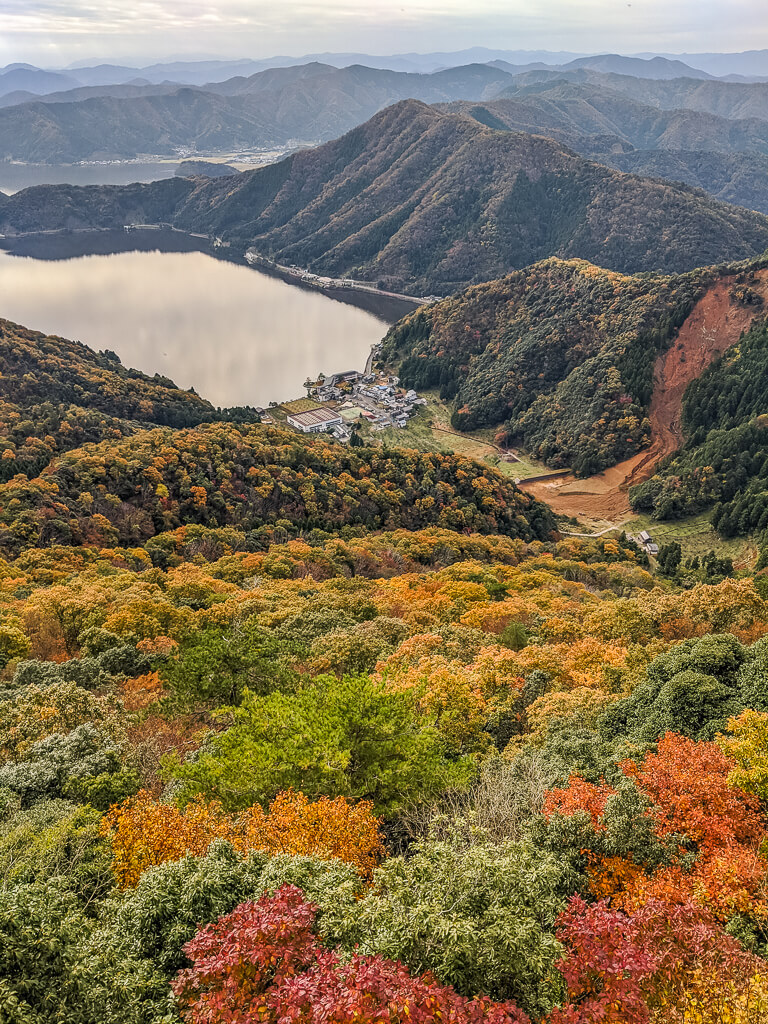
You absolutely cannot to go Fukui without driving up to Rainbow Line Summit Park. It was stunning. Without a doubt it was one of the best things to do in Fukui, in my short experience anyway.
I loved it up there.
A short cable car up, and a chairlift with no bar back down (#scared #nervous) and we were there.
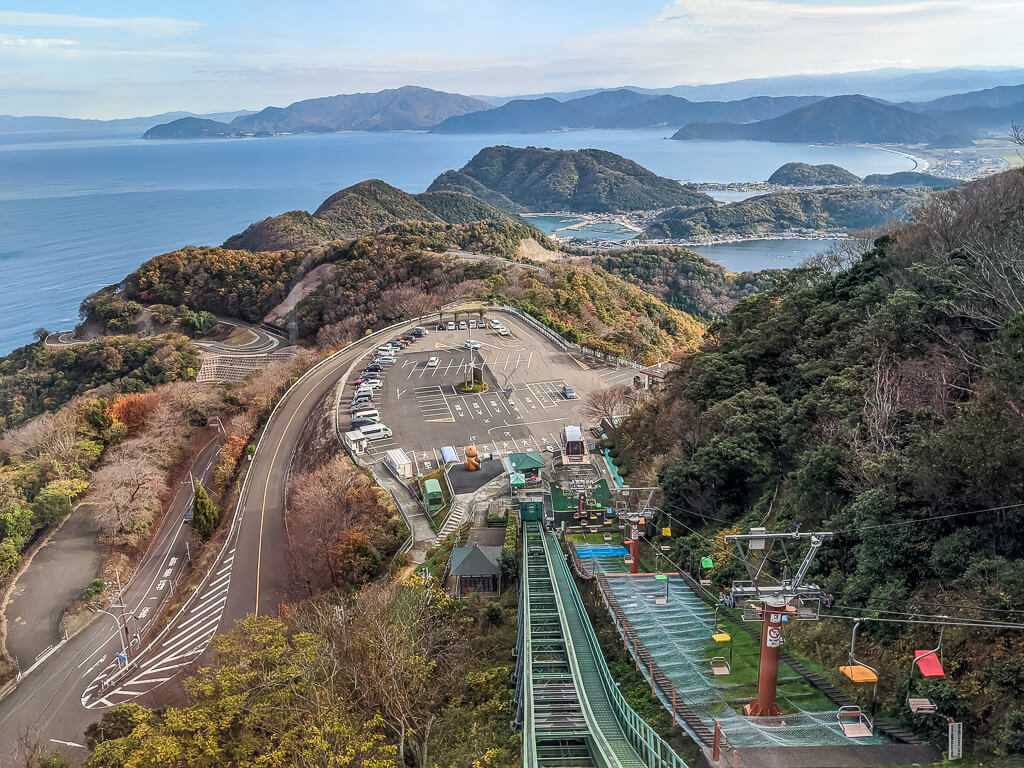
It was still being developed when I visited in Autumn 2019 but, there was still lots for us tourists to do, and I know it’ll be a focal point for Fukui tourism from now on. I mean, just look at the views below– and I didn’t even have to hike it.
Up the top we’ve got a heated foot bath (apparently cool in the summer), so you can look out to the view in peace. There are going to be beds, there’s a cafe, a wish point, photo points with characters, and 360 look out points.
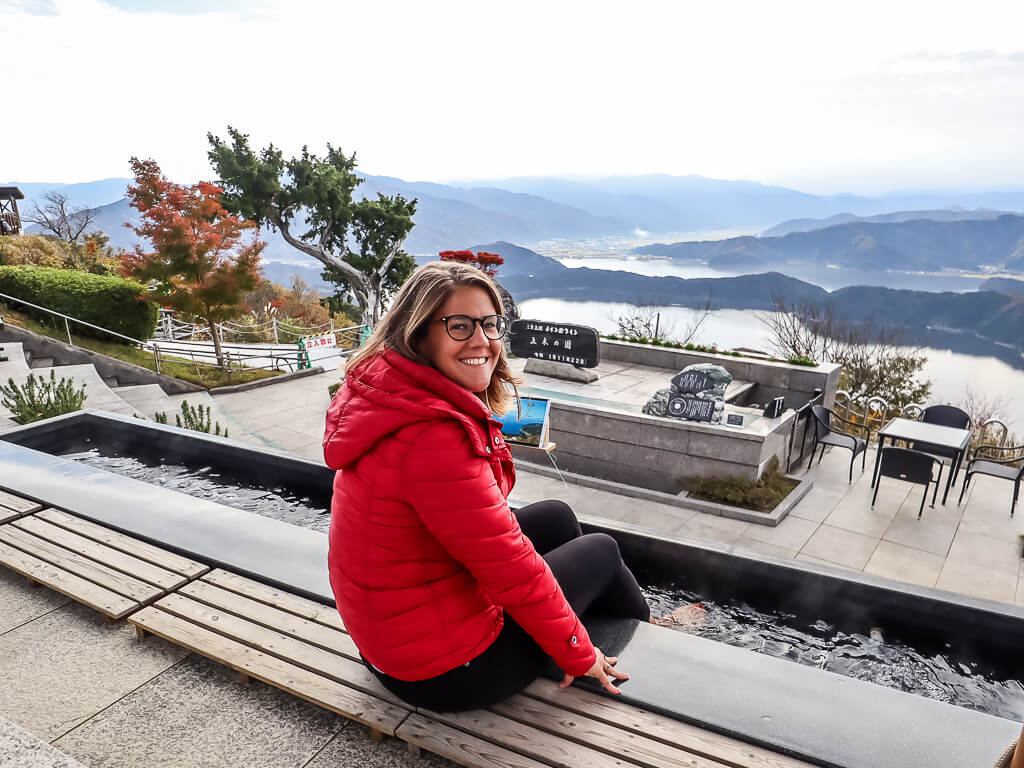
They’re in the process of building another cafe, with more foot baths and weather protection too. Right now you’ll just have to make do with the rainbow umbrellas for selfies with this stunning backdrop.
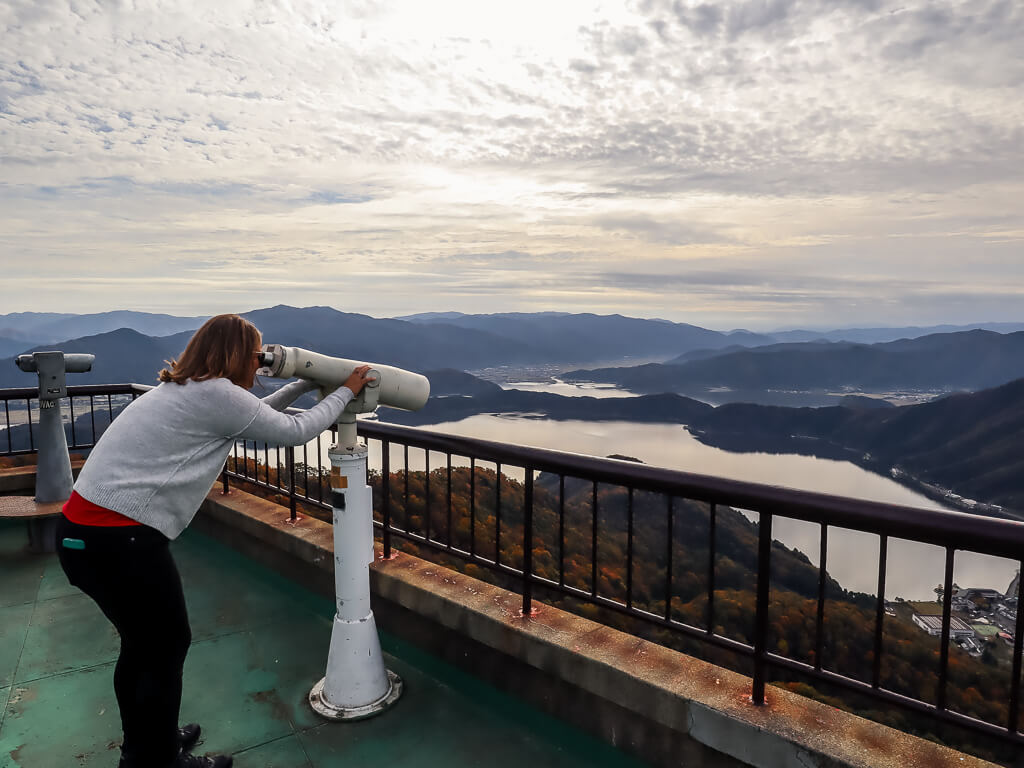
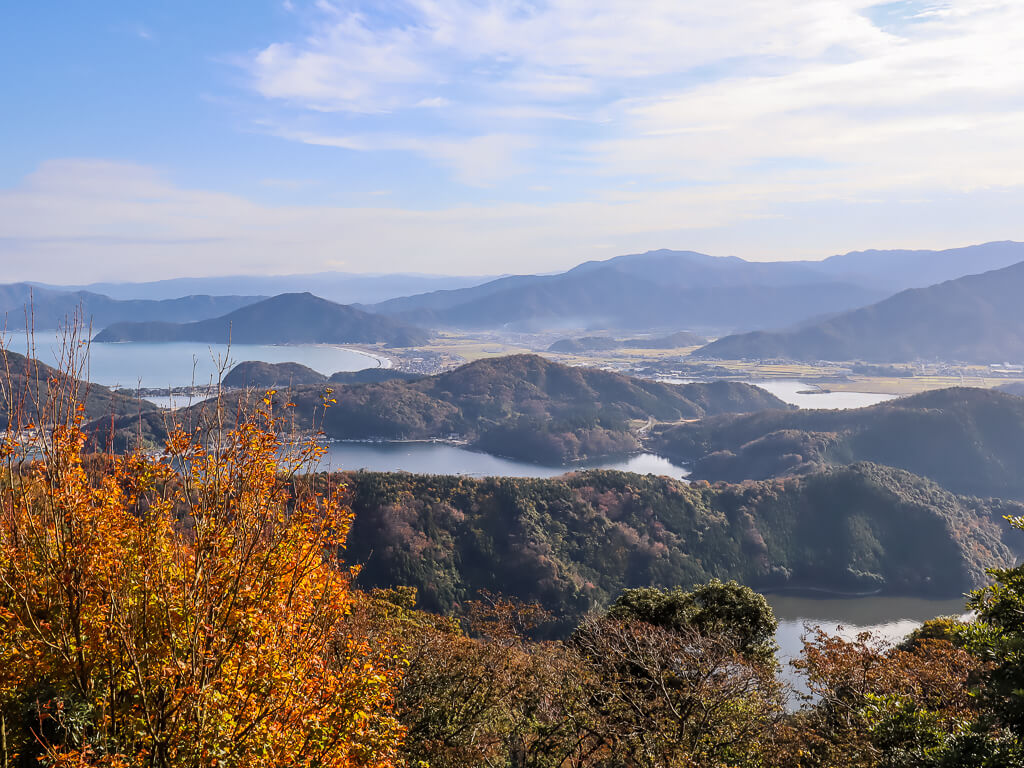
There’s a gift shop and another cafe at the foot of the chair lift, but you’re going to need some cash. No cards accepted here!
3. Wander around Kumagawa-juku in Wakasa
Kumagawa is a village located in the township of Wakasa-cho, and in 1996 its buildings were designated as culturally important, thanks to the links with the historical Edo era in Japan.
Once upon a time the street would’ve had over 1000 horses and oxen transporting goods up and down. It became a very important commercial town in the Fukui prefecture.
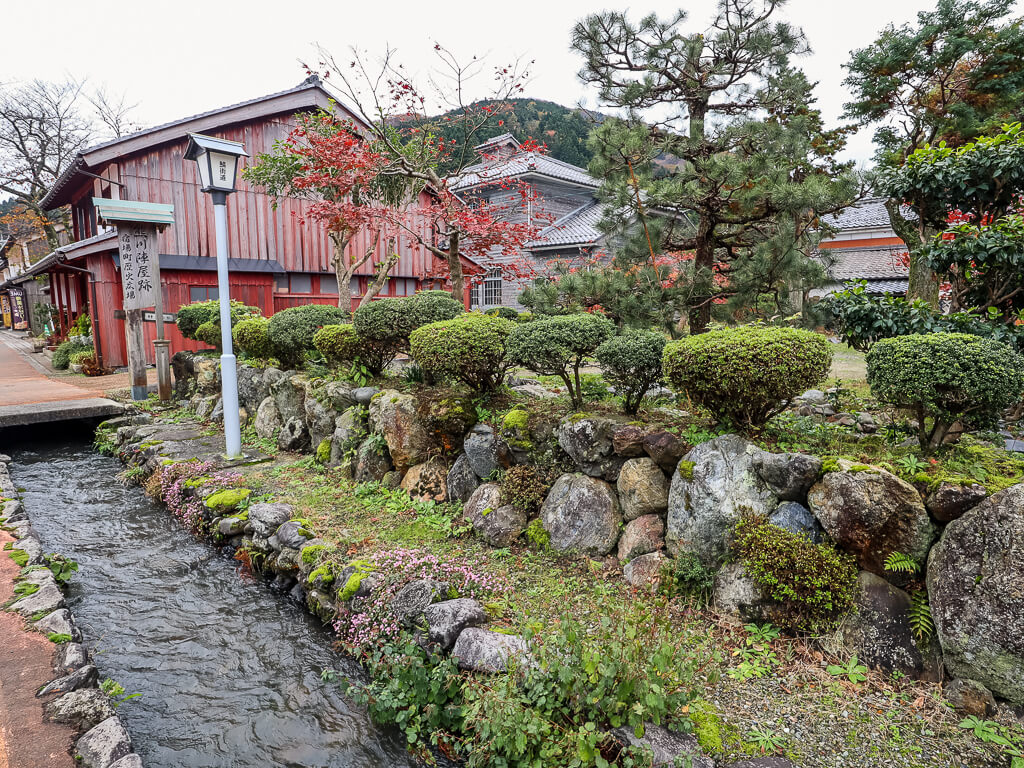
Visiting the street is one of the most popular things to do in Fukui. It was full of character, with a fantastic coffee shop which somehow seemed out of place in among the Edo-period architecture, but also, bang on trend.
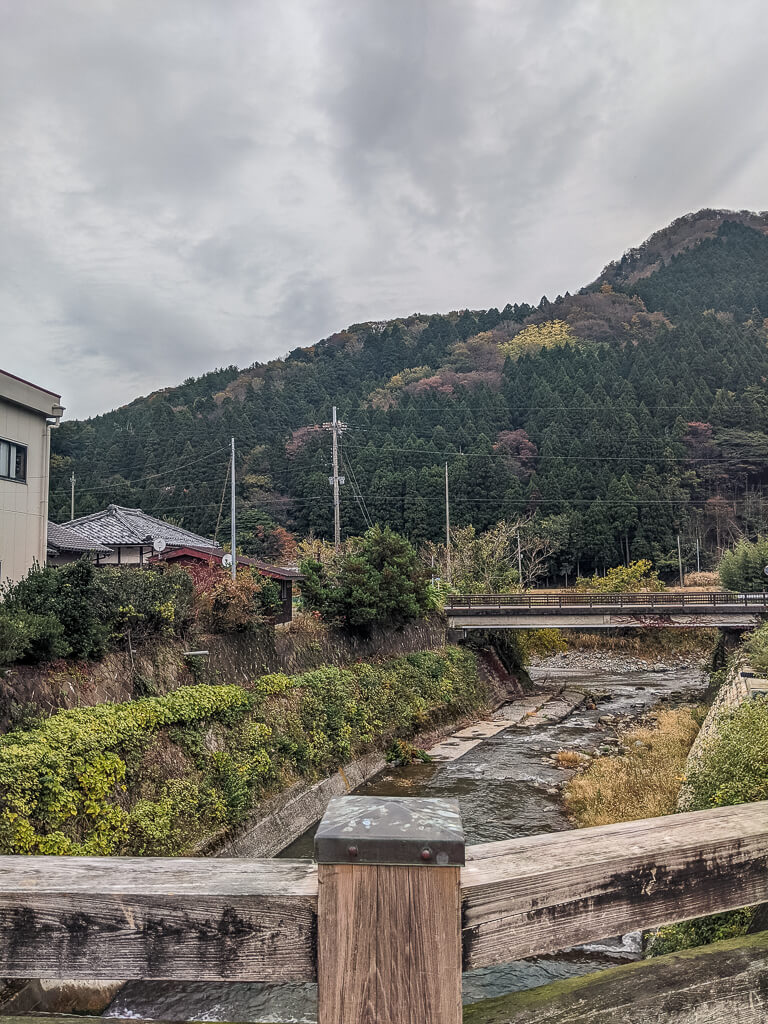
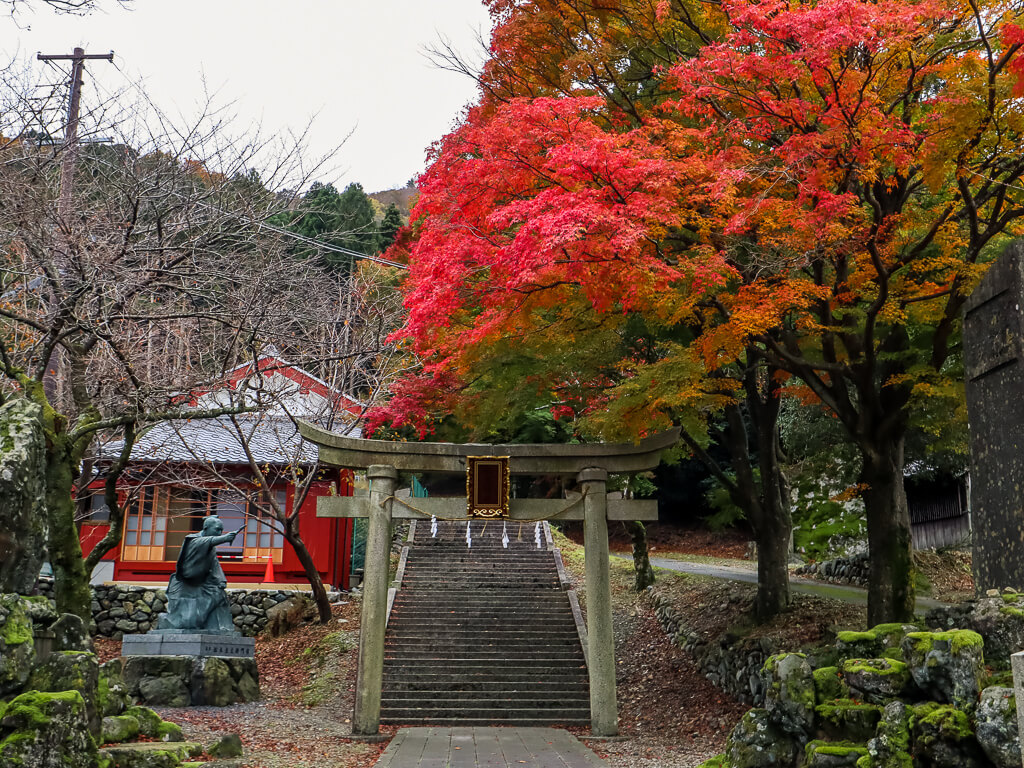
– The Matsunoki Shrine
Carp swim in the streams, there are about 100 houses and it’s main business now, is tourism. If you step back you’ll see the 1km road is curved – this was to confuse enemy horses. Visit Kumagawa and you’ll see years on years of Japanese architecture in one place.
If the word ‘shinkabe’ mean anything to you – you’ll love it here (Japanese house design terms!).
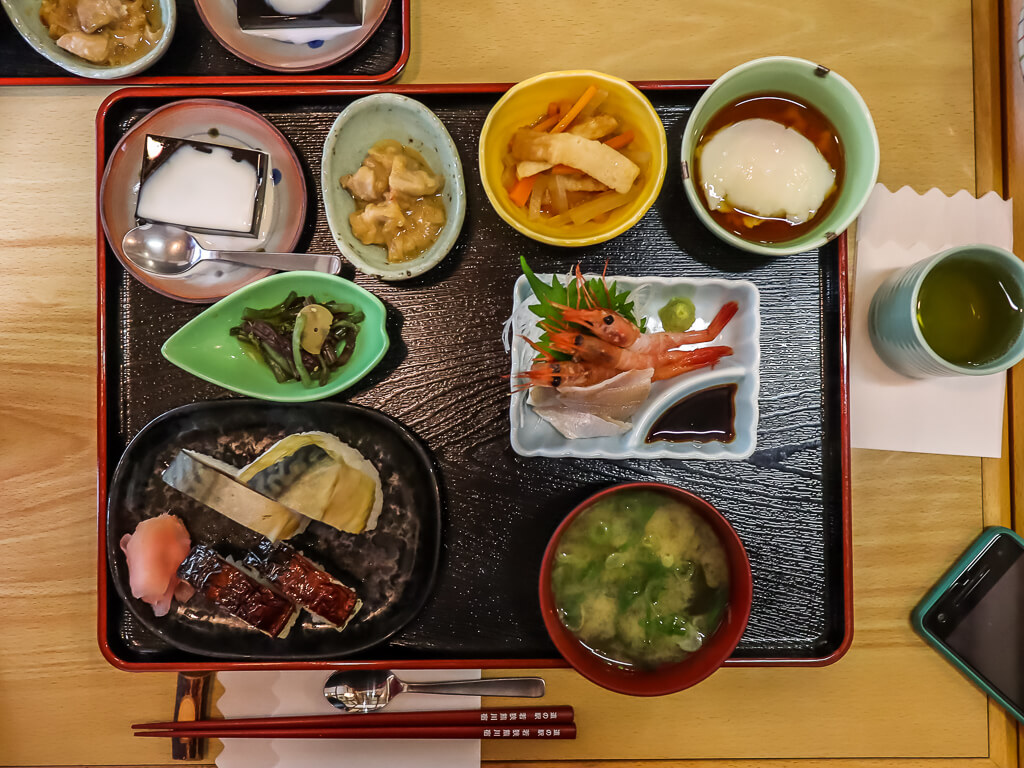
We ate at the Wakasa Kumagawa-juku “Shikisaikan” on site and enjoyed broiled mackerel sushi. Top right, that’s a soft boiled egg. Those prawns are raw too – scoffed them down!
Top tip for you when eating in Japan. It’s not the done thing – I don’t think it’s quite rude though – to finish off food bowl by bowl, which was my instinct. You’re meant to delicately take a little from each bowl as you work your way round.
Check out some of the best things to do in Shiga in my video
And subscribe to my YouTube channel for more!
4. Visit the Ichijodani Asakura clans ruins
Ok, this stop in Fukui is very niche.
The Asakura Trail is where a castle town once stood, back in the 15th century. You can see the remains of the Nishiyama Koshoji – Ichijodani’s largest temple, and the entrance to the town. It was all burned down in 1573, when the Asakura clan were defeated by the opposition.
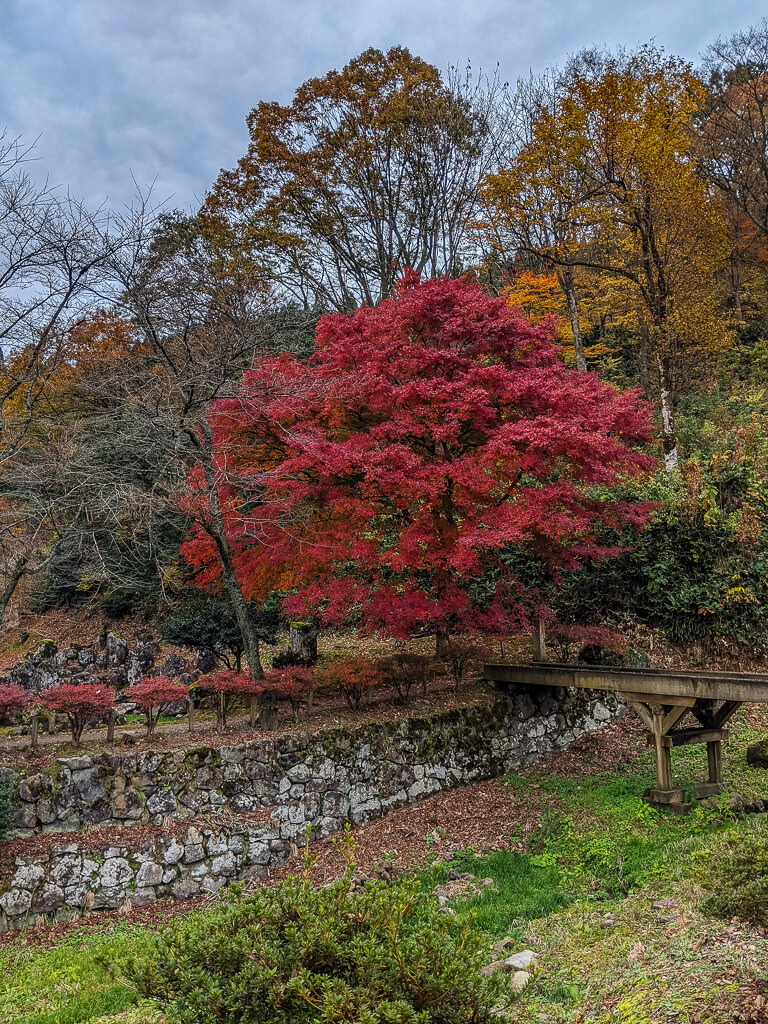
Visit now and there’s not much structure left there, but the memory and some old photos at the guest centre. They have managed to excavate over 2,300 items though.
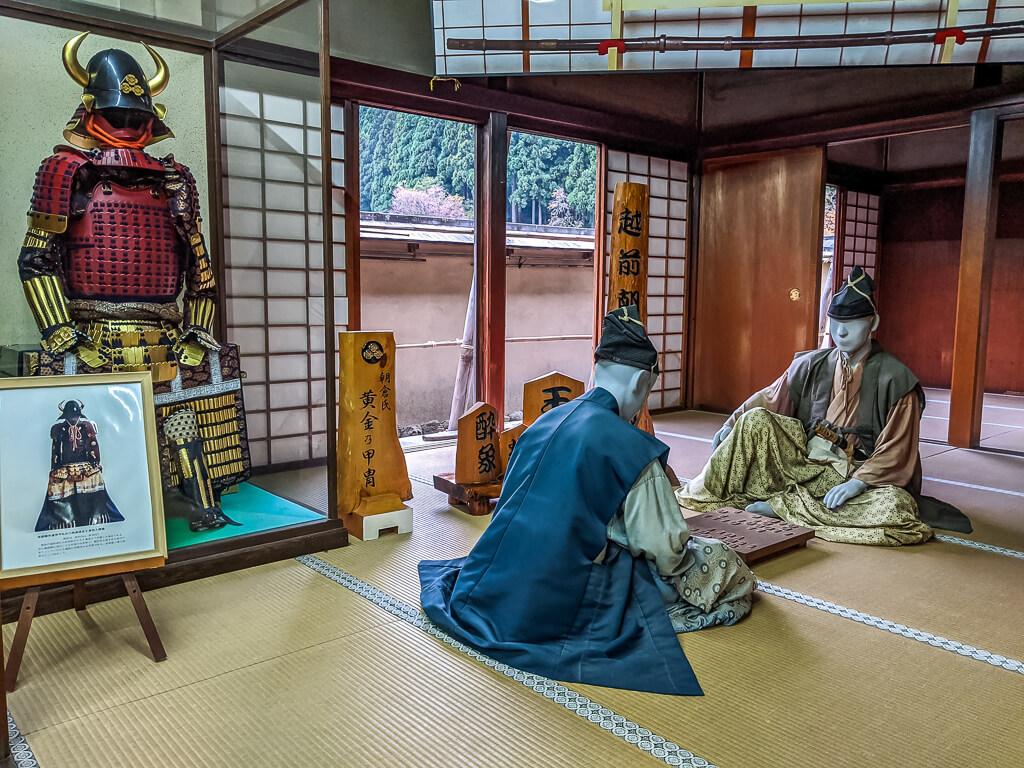
So, on the other side of the road to the ruins they have created a restored townscape for you to see a glimpse into the past, and how they used to live. There’s a huge garden here, and a river filled with carp.
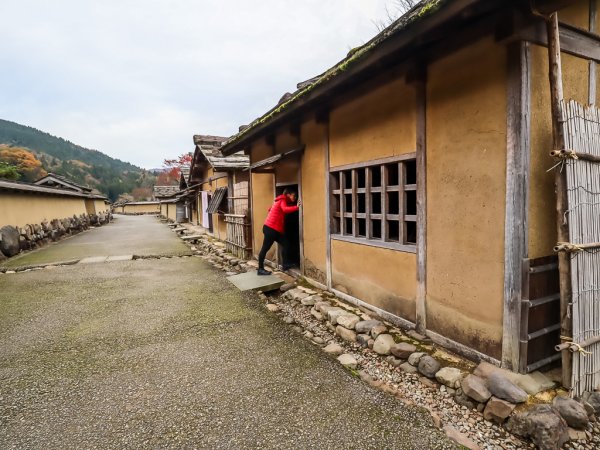
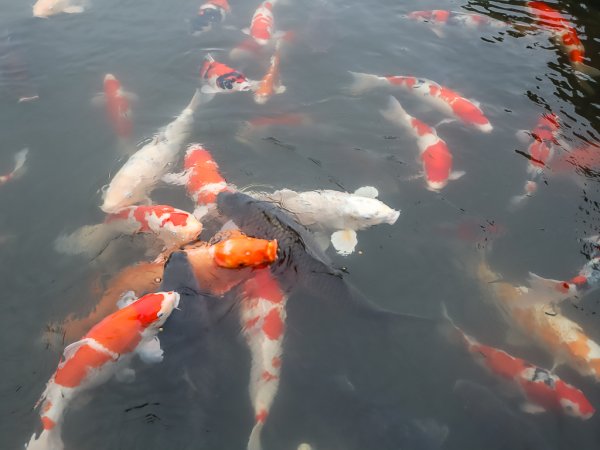
Definitely one for the Japanese history buffs, rather than passing tourists.
5. Worship at the Heisenji Hakusan shrine
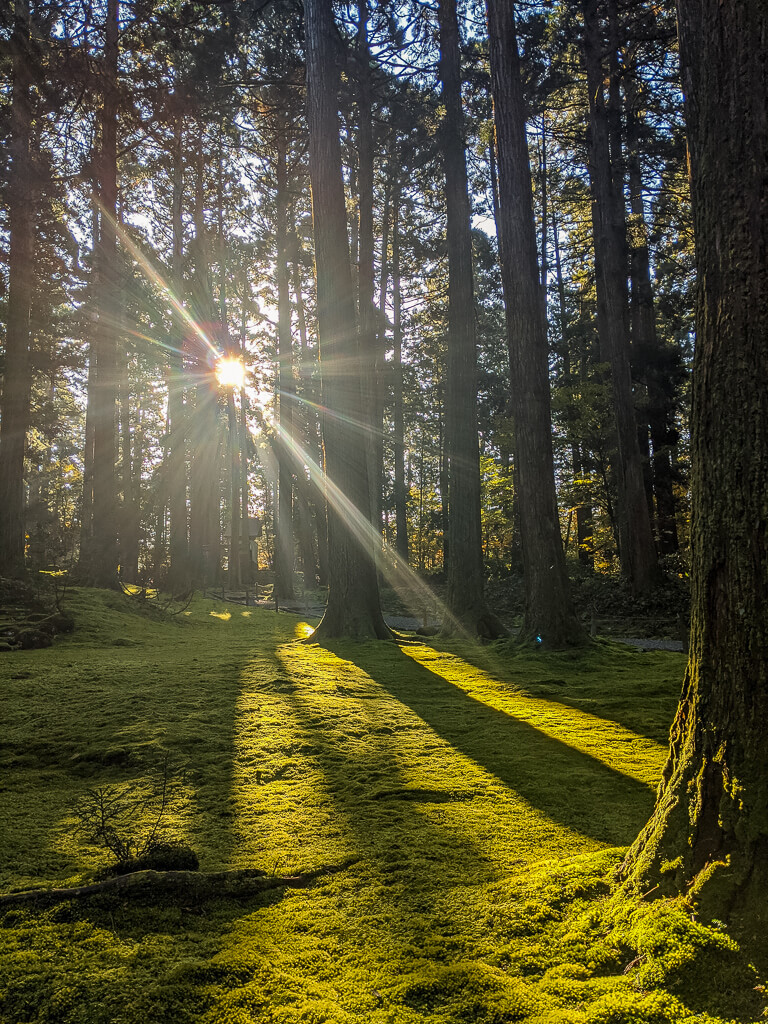
Look at that MOSS. Never knew I had a penchant for a mossy ground until I visited the Heisenji Hakusan shrine. The way the sun lit it up during the hour we were there was just magical too. This ‘moss shrine’ as its known, is famed in the Fukui prefecture. It covers the remains of what was once one of the most significant religious cities in Japan.
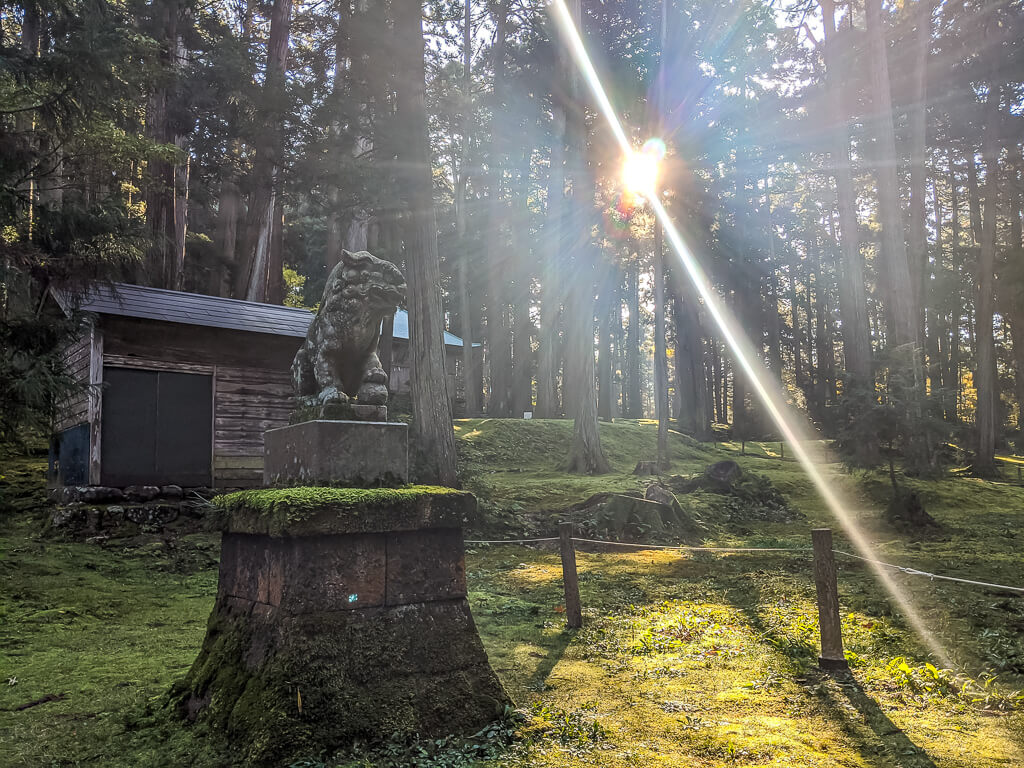
The Hakusan Heisenji complex has lots of different areas to look at, including shrines, memorial towers, lakes and mausoleums. There’s a huge historical and cultural wealth of history here, as in the 16th century it looked a lot different to today.
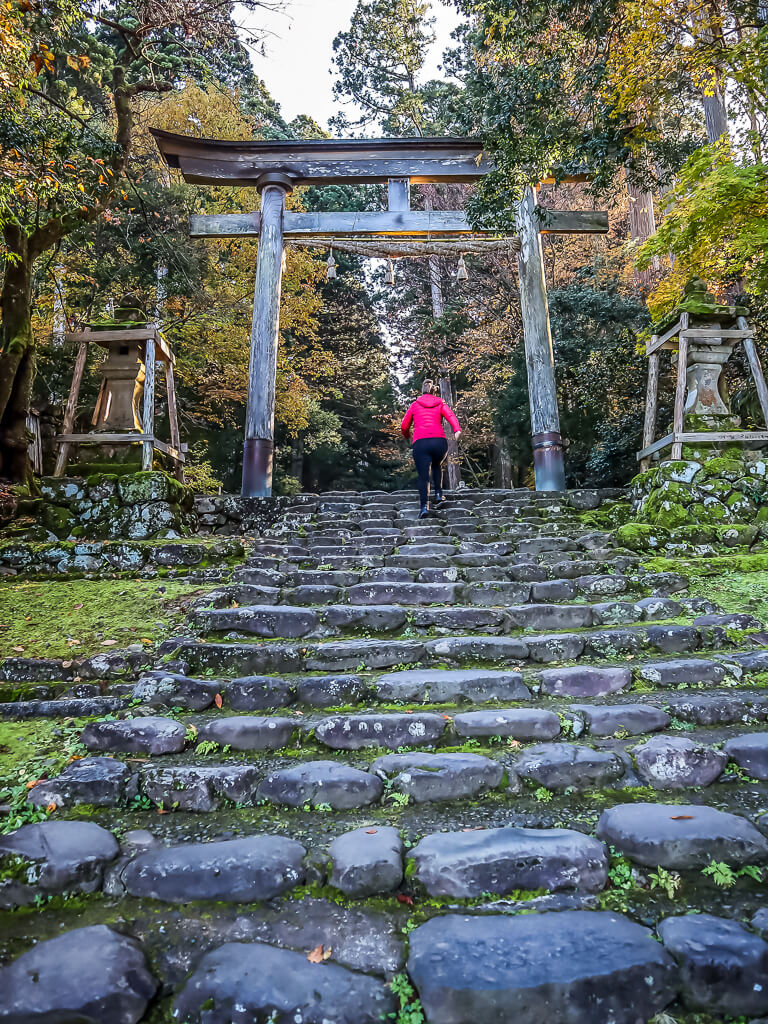
The area became a sacred site in 717 AD when it’s believed a god came down from the nearby Hakusan Mountain and appeared before the monk, Taicho. At its height over 8000 monks lived here – until it was burned down during the 1574 Ikko-ikki uprising.
6. Stand on the Tojinbo Cliffs
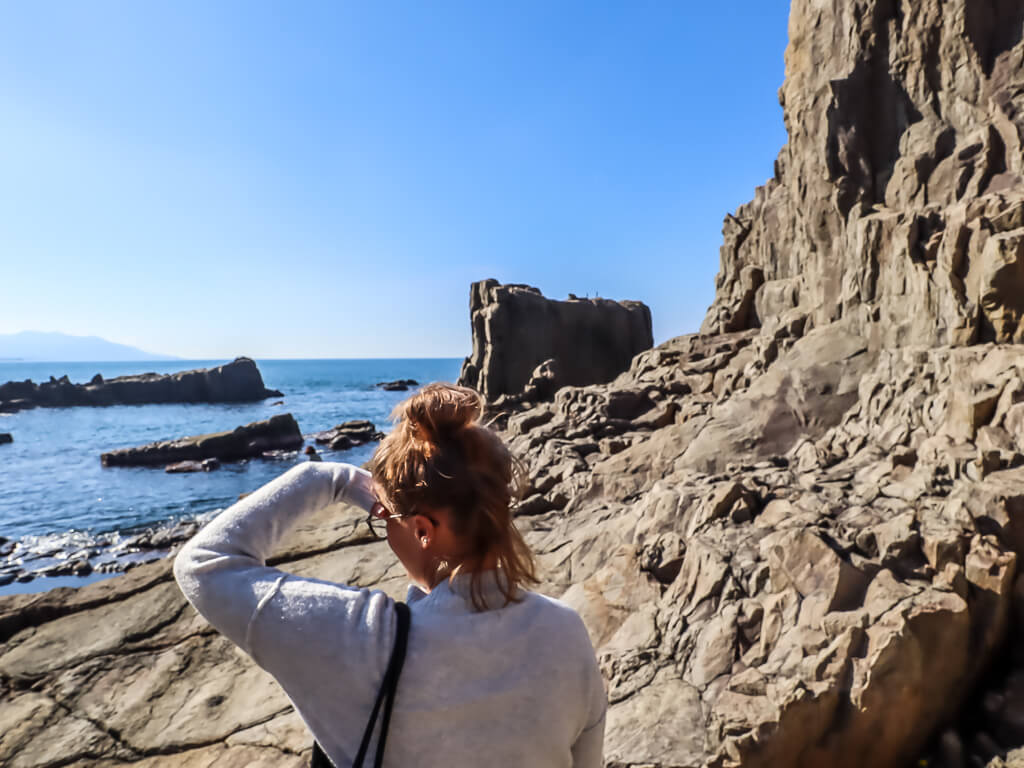
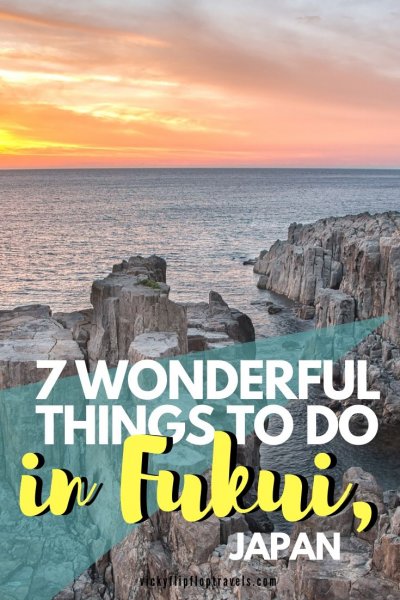
The Tojinbo Cliffs look out to the Sea of Japan, and are around 82 feet (25 metres) in height.
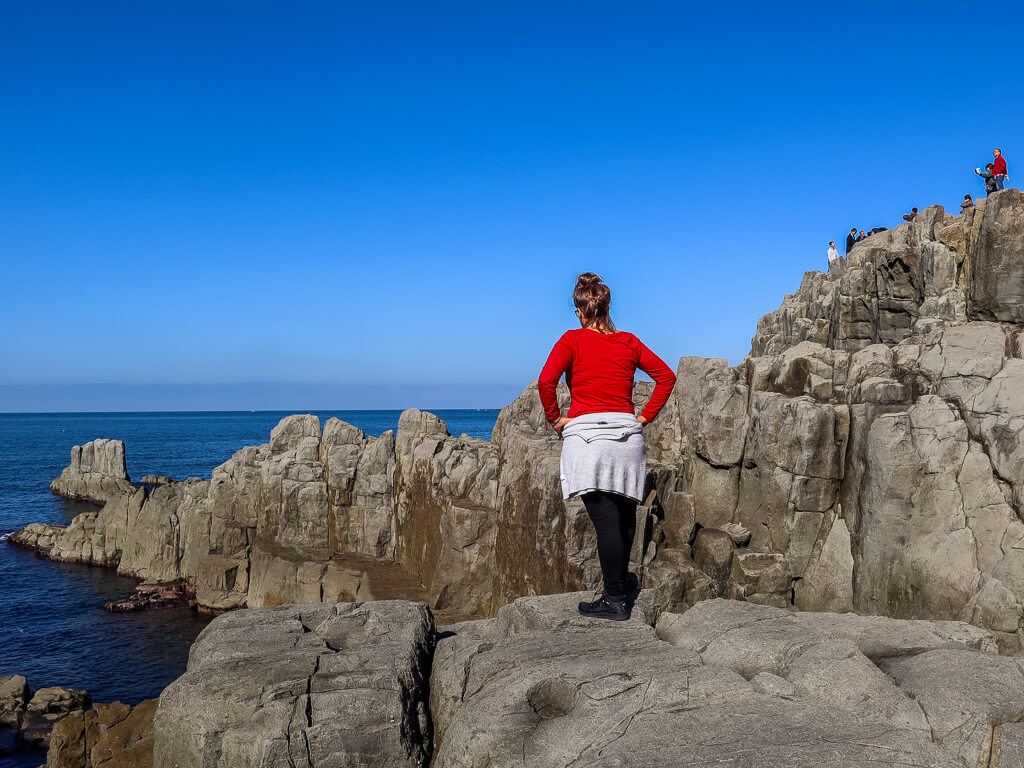
The cliffs are believed to have been created over 12 million years ago and since 1935 have been regarded as Natural Monument by the government.
The formations really are amazing.
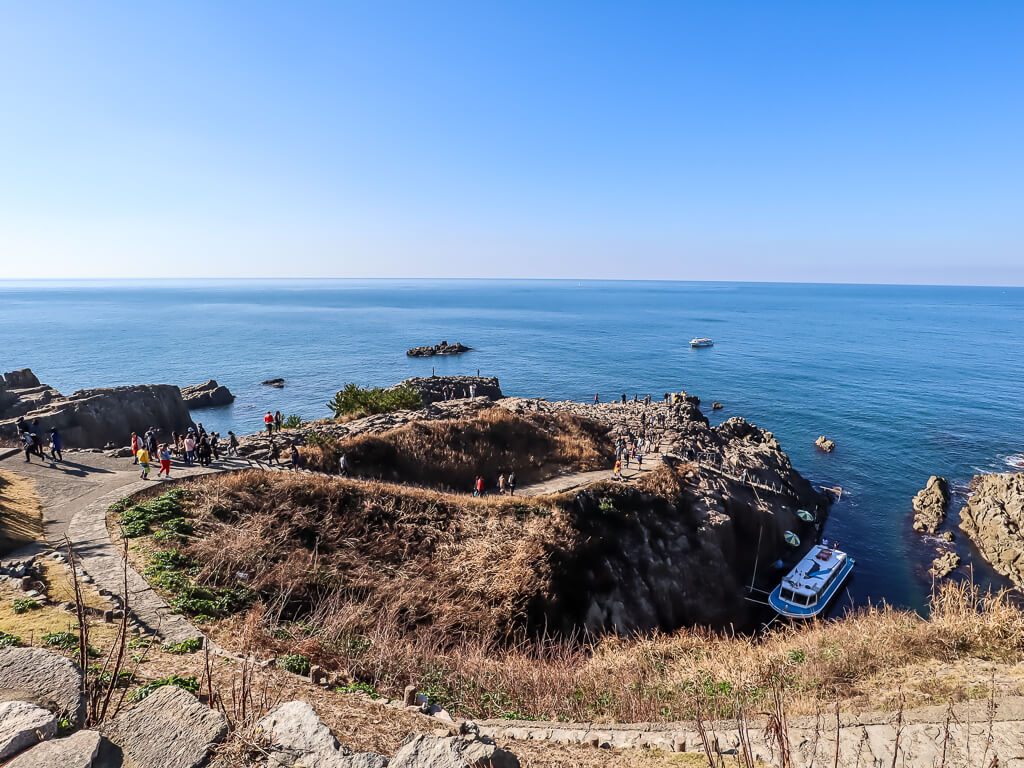
Particularly special if you get a sunny day like I was lucky enough to. You kind of feel like you’re at the end of the world, or the start of it. There’s nothing as far as the eye can see – except for all the tourists taking photos of themselves of course.
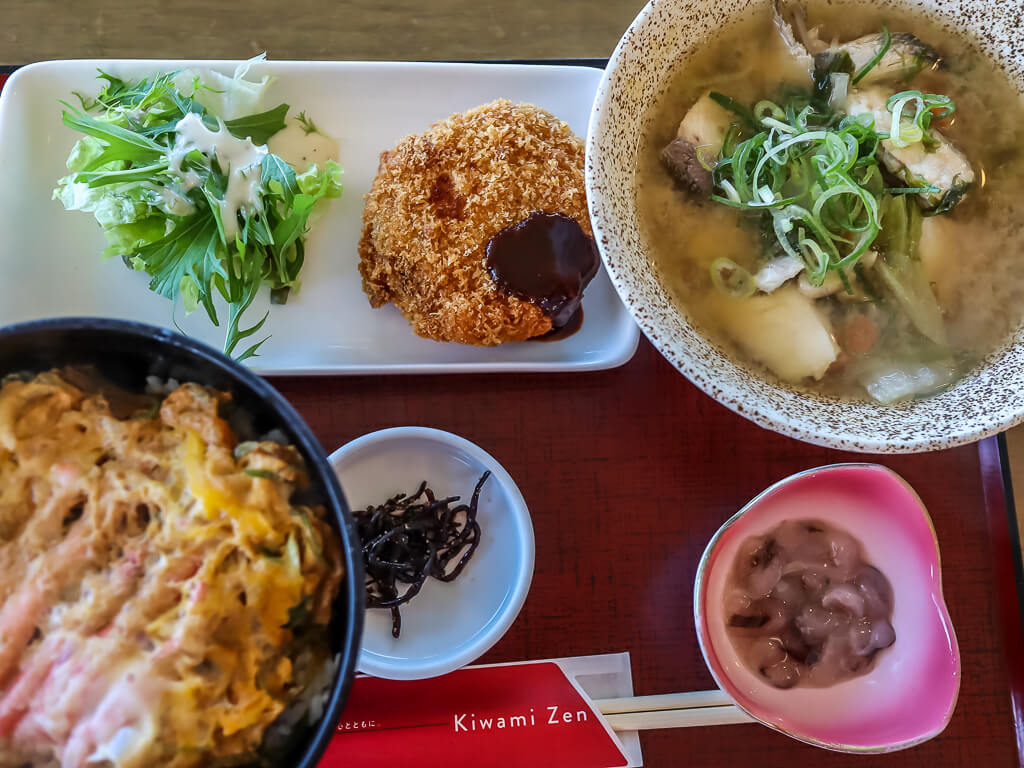
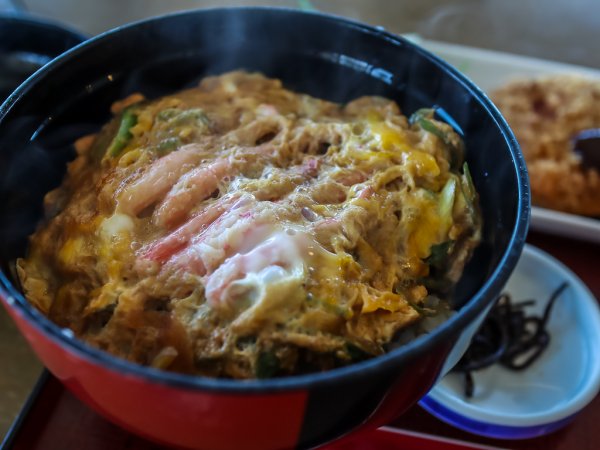
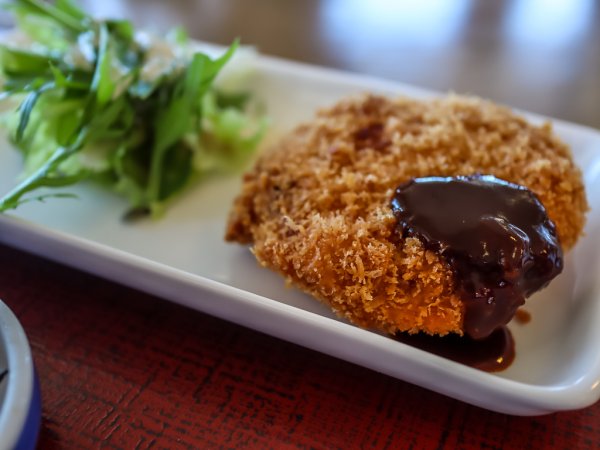
Lots of great restaurants for lunch around here. We had crab at the Shiosai no yakata Yashi Sakura, and it was mixed with scrambled egg – it was an absolute taste sensation.
7. Visit the Echizen Washi Paper Village
All I knew was that we were on our way to a paper making experience. I didn’t quite register how much I was about to enjoy said paper making experience.
The techniques might seem simple – a bit of shaking about and pouring – but there’s a profound tradition behind the making of Japanese Washi paper. It’s believed that over 1000 years ago, a goddess appeared at the river and taught the secrets of paper making here.
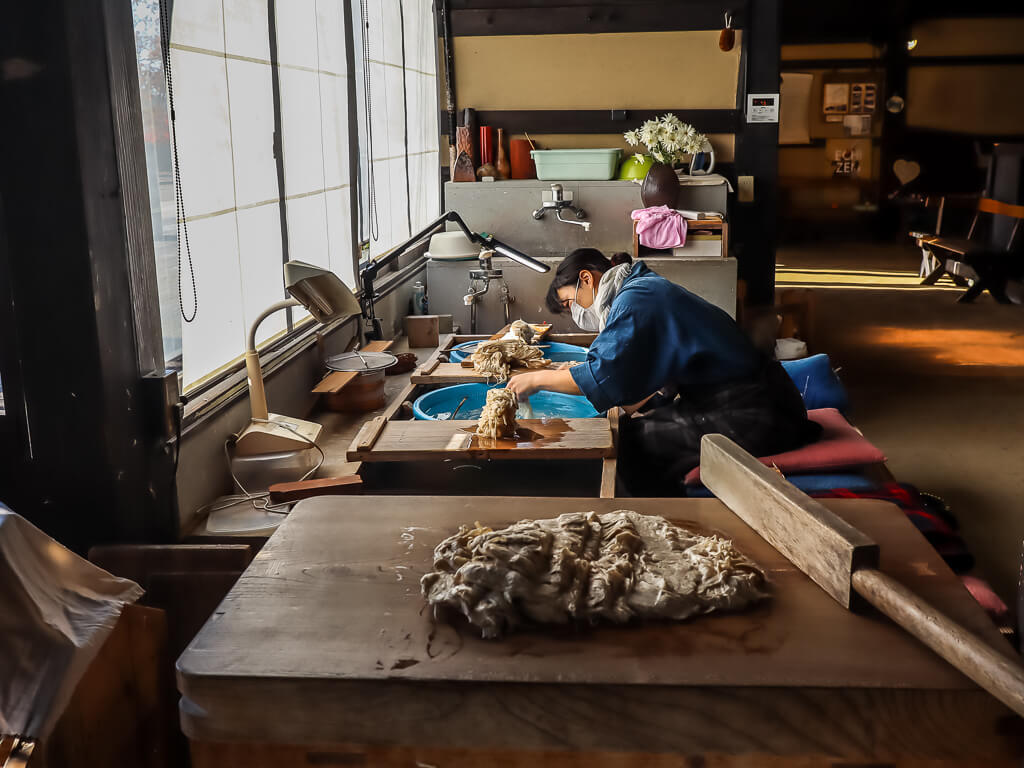
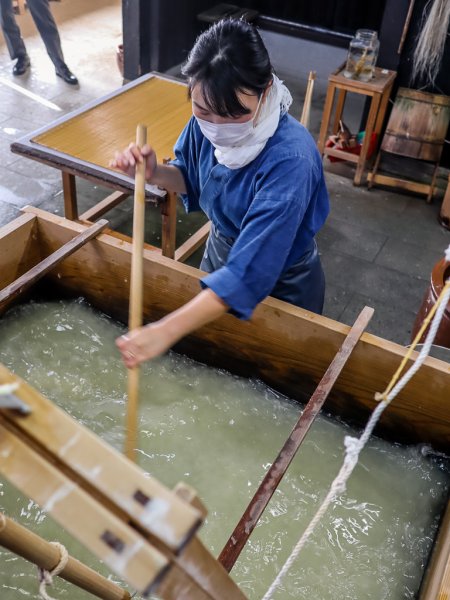
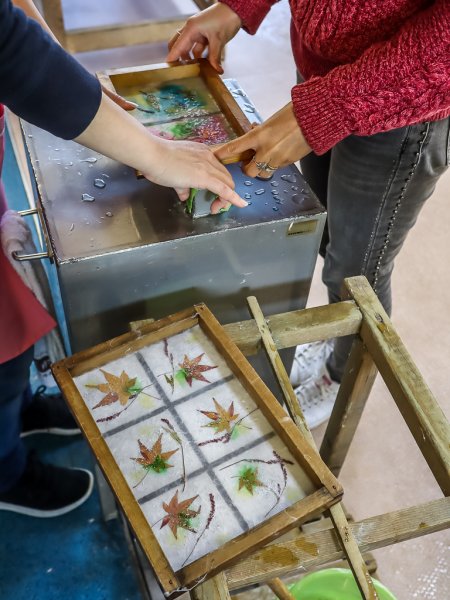
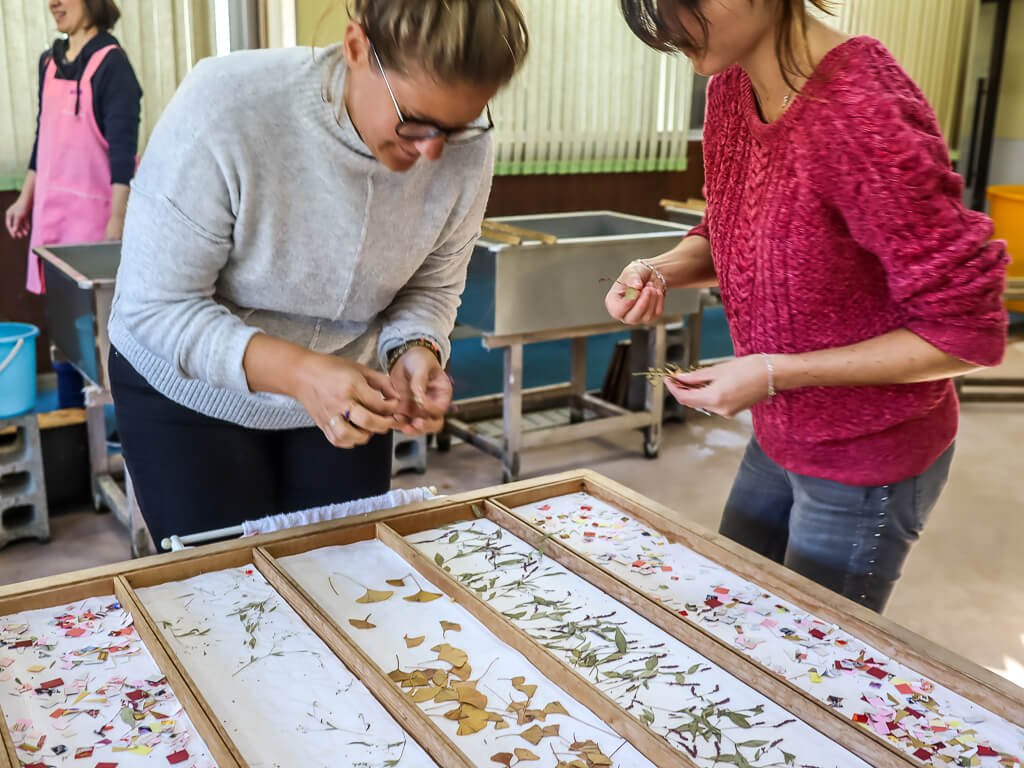
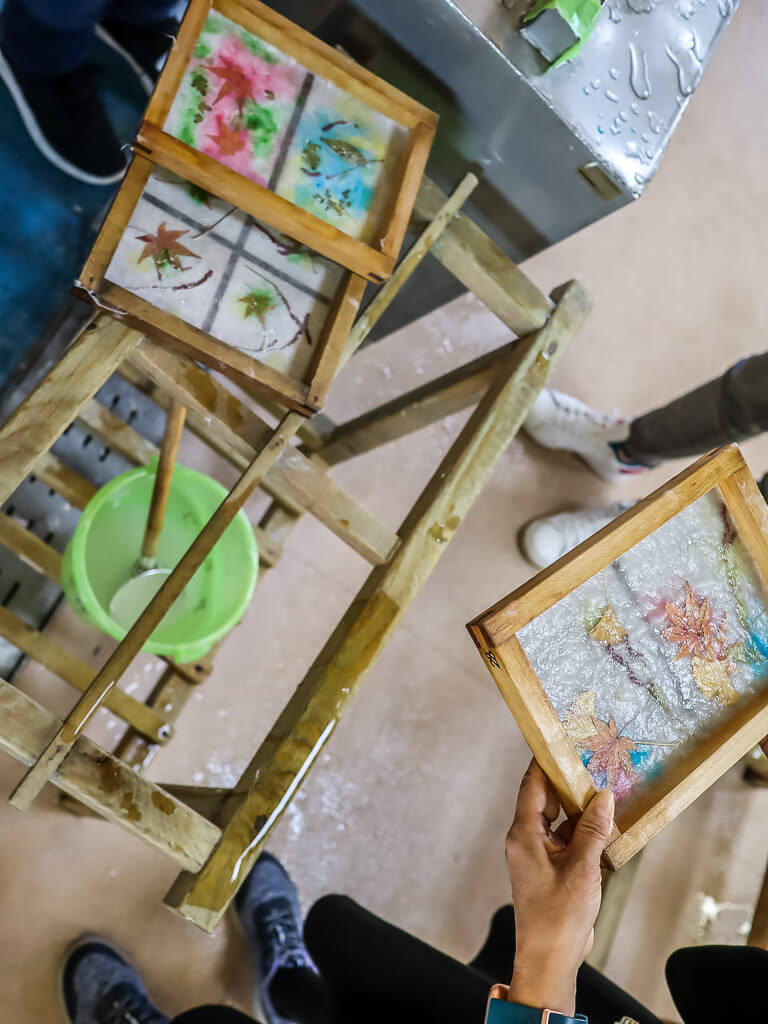
We could choose between making a fan, coasters or a picture. And then the leaves, the colours, and whether we wanted any glitter (yep, yep!). I was shown how to shake the paper mixture to get an even spread, and then left to set. After adding my ‘garnishes’ and drying in the machine, I just had to wait for it to finish.
While we waited for the process to be over we went to look round the Udatsu Paper & Craft Museum to find out how they made paper in days gone by, and how they still continue to on special occasions now.
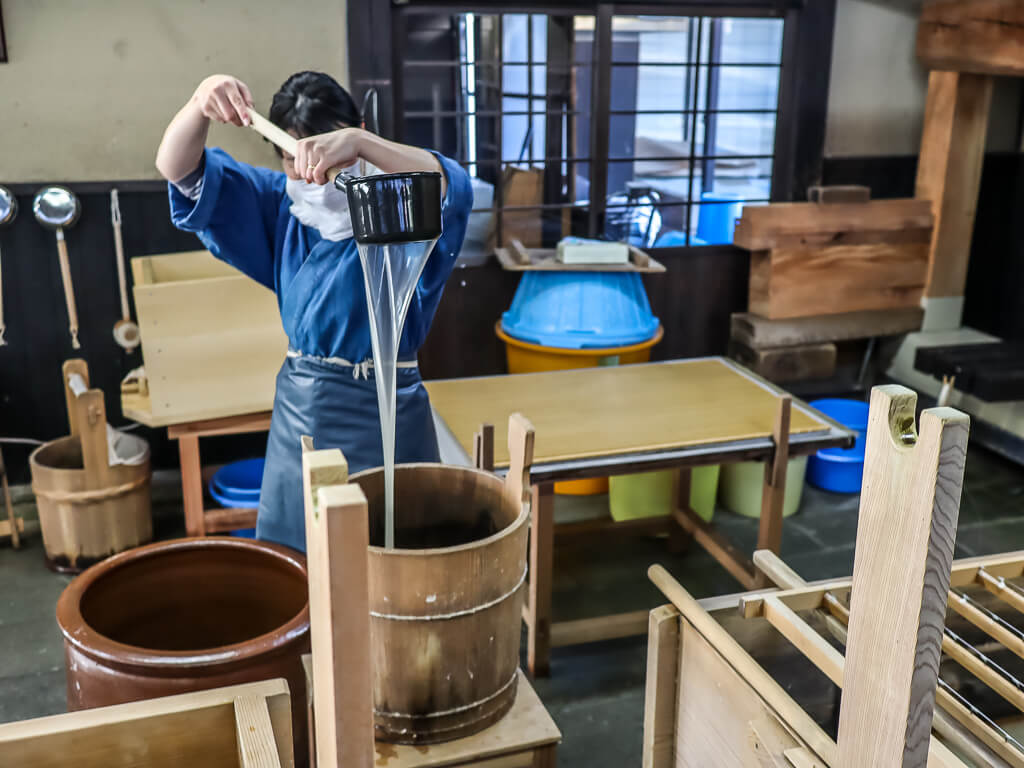
It’s a long process, involving a lot of people power, but what they create is really magical. Paper making is an important art in Japan. In fact, as we looked round the museum there, our guide was surprised I wasn’t having such an emotional reaction as she was. To look, see and feel the work that had gone into the paper, obviously moved her – it’s that important in Japanese culture (of a certain age).
Not me. Cold hearted Brit who grew up with a penchant for Partners (ex stationery store). Show me a Yikes! pencil from the 90s and I might crack a smile.
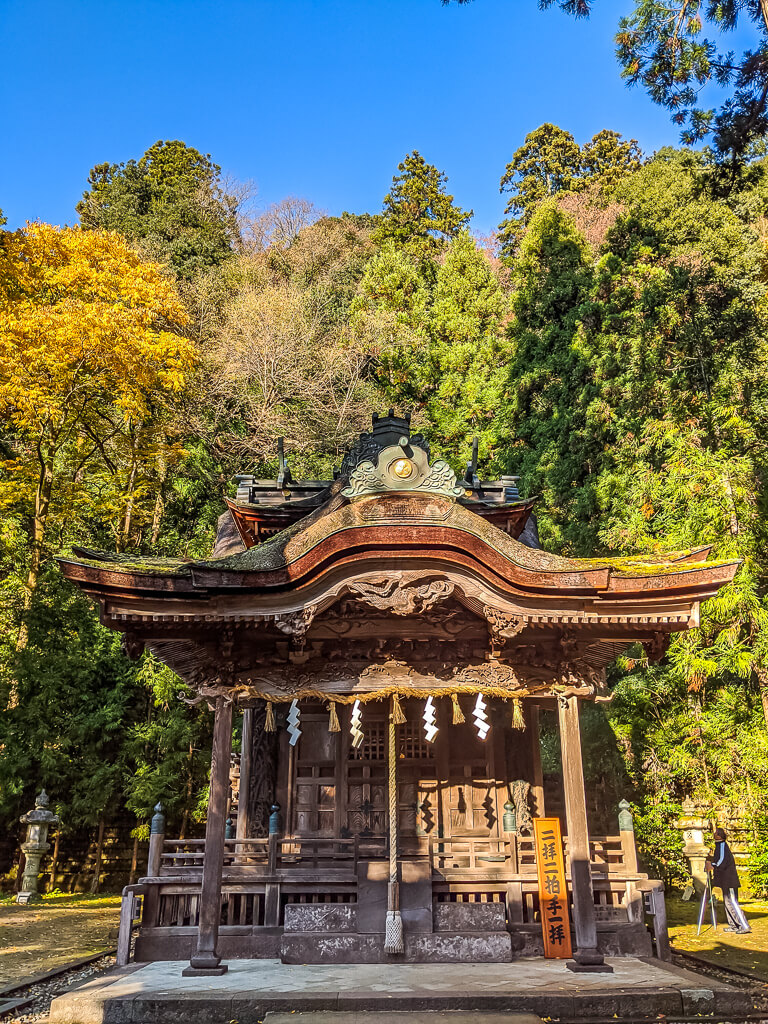
We went over to see the shrine to the God of Paper. An impressive structure for the god who gave them the tradition of papermaking that the village has thrived off ever since.
Where to stay in Fukui
Wakasacho: Hotel Suigekka
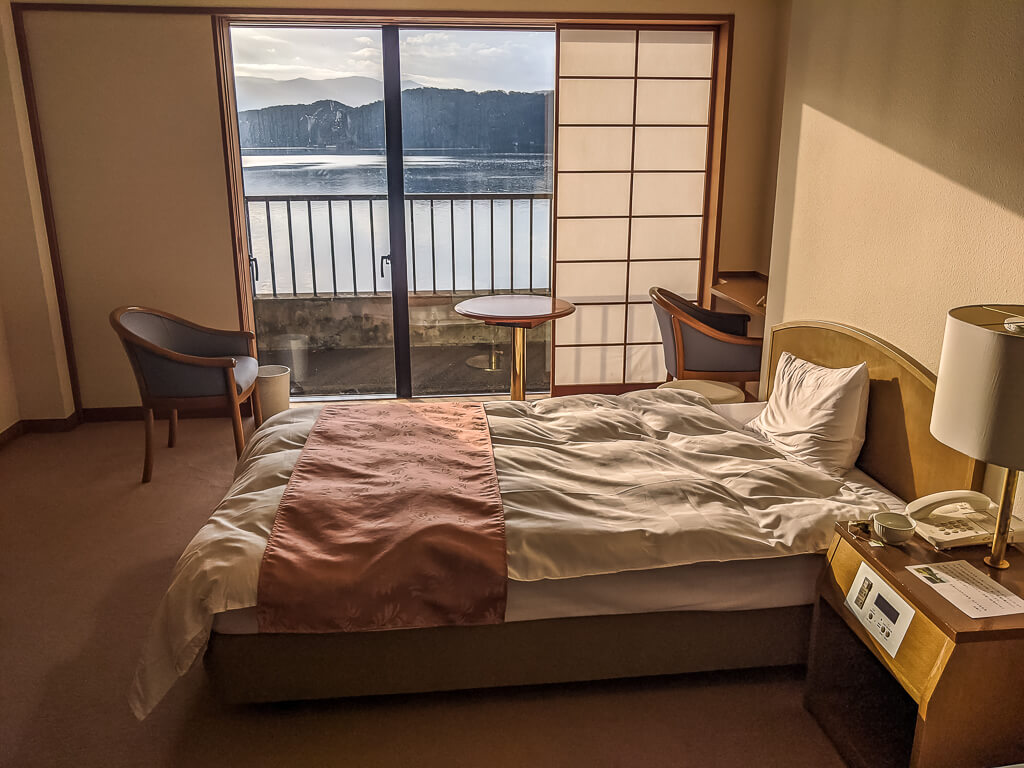
Right on the lake, this was a really beautiful hotel in a fantastic location. The breakfast boat tour really made it, so stay at this the Hotel Suigekka just for that.
The bed was so comfy and I had plenty of space in my room.
Waking up to this impressive view over the lake was all kinds of magical too.
Katsuyama: Katsuyama New Hotel
The Katsuyama Hotel definitely felt like we were back in the city. It was a buffet dinner and breakfast, and the hotel was a little more of the vibe that Westerners are used to.
There was a dinosaur themed gift shop downstairs, so that was fun.
Osaka City: HATAGO INN Kansai Airport
The HATAGO INN is a great hotel just a few minutes from Kansai airport. Small rooms but everything you need, and there are restaurants less than a five minute walk away.
Exploring Fukui
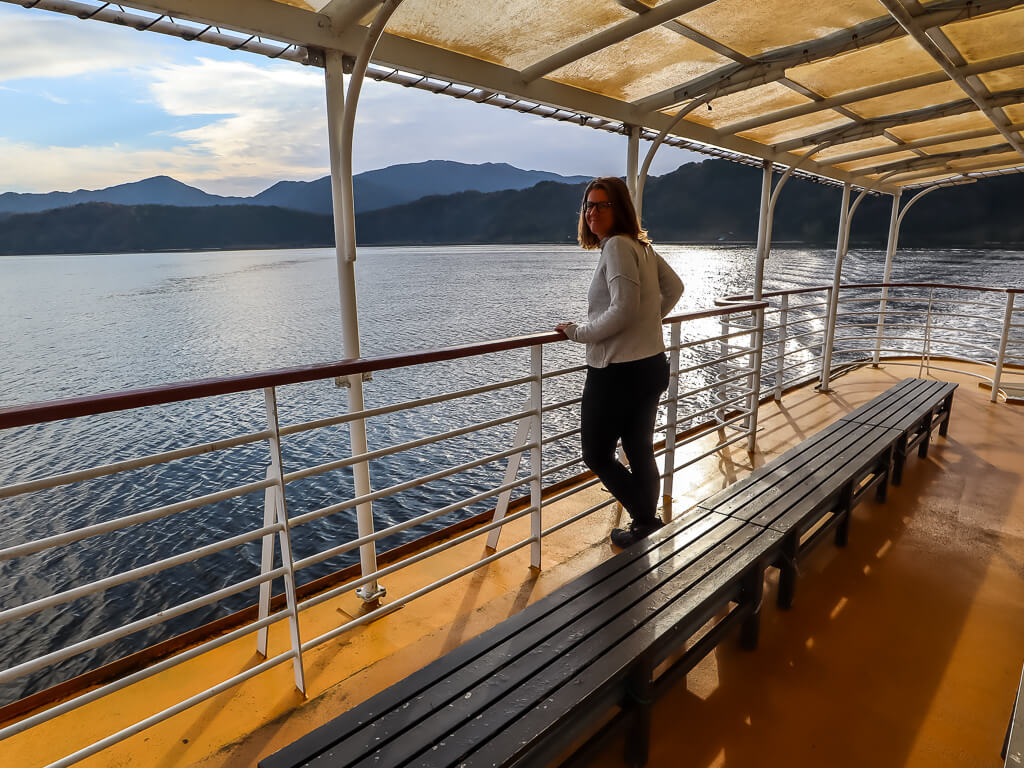
And that was what I got up to in Fukui. It felt like we did quite a lot of driving in Fukui, seeing as these things are all quite spread out. I’d definitely recommend you hire a car if you can, in Fukui. It’ll just make getting around much easier, rather than relying on the trains.
The roads all seemed pretty straight forward, although you’ll have to be comfortable driving up a mountain of course.
More things to do in Fukui
The area is apparently well known for it’s dinosaur connections, so that would be fun to explore if ever you make it to Fukui. Go and check out the Fukui Dinosaur Museum – it looks amazing.
This guide to the best things to do in Fukui is in collaboration with JapanTravel.com.
Japan Travel is the leading resource for Japan travel information and the primary destination for visitors planning and traveling to Japan.
Of course, all thoughts my own. I’m grateful for such an amazing trip to show me a different part of Japan.
PIN these things to do in Fukui for later
More on travelling in Japan